Who is Trump trying to exclude from 2030 US census and why does it matter?
 10 September 2026
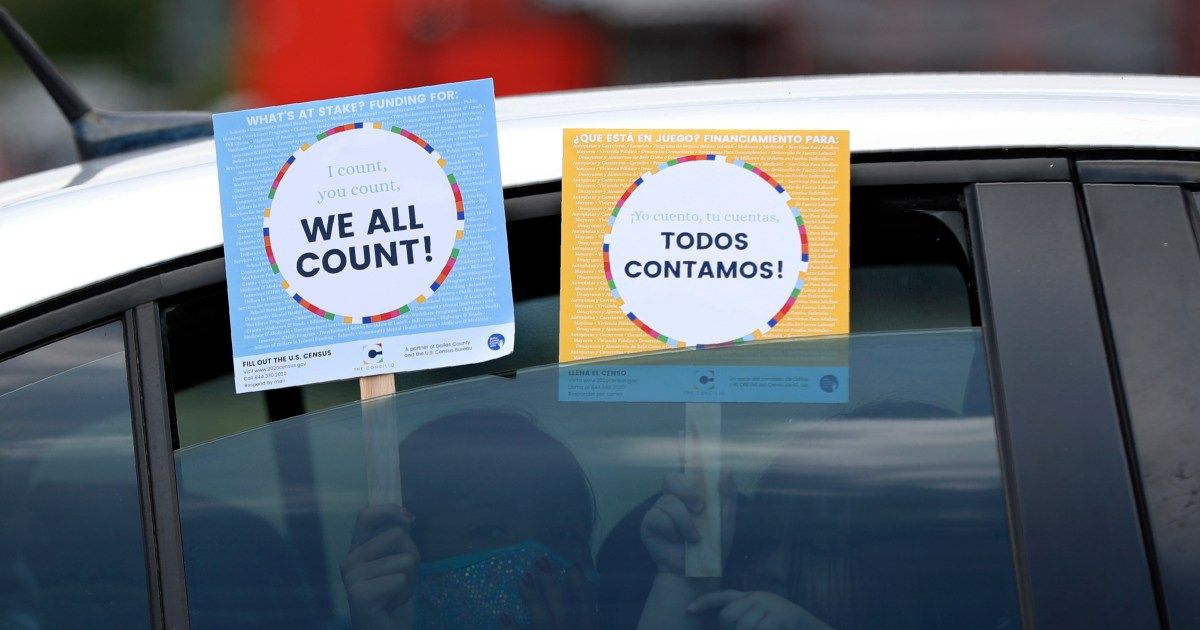

The administration of United States President Donald Trump has released a proposal to remove millions of non-US citizens from national census data.
The plan to exclude non-citizens and those who are not permanent residents from the next full census in 2030 could have dramatic implications for federal aid and political representation, analysts say.
- list 1 of 3Trump administration proposes excluding certain immigrants from US census
- list 2 of 3US judge blocks Trump’s latest effort to limit birthright citizenship
- list 3 of 3Trump-backed group announces $10m ad spend for midterm Senate race in Texas
end of list
The proposal comes amid the Trump administration’s broader immigration crackdown and efforts to reshape electoral power, including through congressional redistricting and restrictions on mail-in voting, which activists say could disenfranchise minorities.
Here’s what we know about the census proposal and the potential political effects:
What is the proposal?
A memo from the Department of Commerce on Wednesday proposes that only US citizens and permanent residents should be counted in the national census.
That would exclude undocumented immigrants, as well as other lawful temporary immigrants who do not have a green card, which is issued to permanent residents.
The department has justified the proposal by saying undocumented immigrants and other foreigners without a durable legal status are not “true inhabitants” and lack a sufficient “tie and allegiance” to the US.
The proposal also suggests eliminating some questions on race and ethnicity, which have been part of the questionnaire since 1790, as well as a question on sexual orientation.
The proposal is open for a 30-day public comment period, then the commerce department will review feedback before setting any new policy.
Advertisement
Trump has long called for a change in census policy, writing on his Truth Social platform last year that “people who are in our country illegally will not be counted”.
According to the US Constitution, Congress has ultimate say over the census.
How many would be left out after census change?
Millions.
The Pew Research Center estimated there were 14 million undocumented immigrants in the US in 2023, the last year it shows data for. It estimated there were at least two million more immigrants in the US lawfully but without permanent status – they would also be excluded under the proposed change.
More than half of undocumented immigrants in the US were concentrated in just six states in 2023 – California, Texas, Florida, New York, New Jersey and Illinois – according to Pew.
California had the highest number, with an estimated 2.3 million, followed by Texas with 2.1 million.
What impact could it have on federal resources?
The Census Bureau says its data informs the direction of hundreds of billions of dollars in federal funding annually, including money allocated to schools, hospitals and public infrastructure.
Rights advocates say excluding undocumented immigrants and lawful temporary immigrants from the count could distort the data, potentially underfunding cities or states with high immigrant populations.
Meeta Anand, senior director of the census and data equity programme at the Leadership Conference on Civil and Human Rights, told Reuters the effect could be “earth-shattering”.
Census data “undergirds so much of our democracy and our society,” Anand said. “So you’ll start seeing a very inaccurate picture of our country and then we’re making political decisions, business decisions, investment decisions based on data that are flawed.”
What could it mean for political representation?
It could alter representation in Congress and the electoral college as well.
The US uses census data to decide how many seats each state is allocated in the House of Representatives, as well as how to draw up electoral districts to ensure that representation is largely equal across the whole country.
As a result, areas with high undocumented immigrant populations could lose representation. In addition, states which lose House seats could lose votes in the electoral college, which decides the presidency.
What has been the response?
Critics say the Trump administration’s census proposal flouts the 14th Amendment to the Constitution, which states that political representatives should be based on “the whole number of persons in each State”.
Advertisement
New York Attorney General Letitia James said that her office was looking into ways to legally challenge the census plan. “The Constitution is clear. Every person living in the United States, regardless of immigration status, must be counted in the census,” she posted on X.
The Center for American Progress, a liberal public policy institute, called the proposal “a flagrant assault on our democracy, designed to manipulate voting maps and dilute the political representation of diverse American communities”.
It urged citizens to petition their representatives to oppose the policy, which would not come into effect until after Trump leaves office.
Related News
Philippine court orders arrest of VP Duterte over President Marcos threats

From hours at security to bulletproof cockpits: How 9/11 changed air travel
France to summon Iran envoy after language centre closure in Tehran