
The United States has issued a new round of sanctions against Iran on the eve of possible talks to close more of seven weeks of fighting between the two countries.
The US Department of the Treasury announced the penalties on Tuesday, targeting 14 individuals and entities it accused of helping Iran acquire weapon components.
- list 1 of 3Pakistan races against time to get Iran back to US talks as truce end nears
- list 2 of 3Iran’s World Cup participation depends on team’s safety in the US: Minister
- list 3 of 3Trump says he opposes extending Iran ceasefire amid talks uncertainty
end of list
The sanctions highlight US President Donald Trump’s push to increase the financial pressure on Iran as he seeks major concessions to end the war. Iran is likely to demand sanctions relief as part of any future agreement.
“The Iranian regime must be held accountable for its extortion of global energy markets and indiscriminate targeting of civilians with missiles and drones,” Treasury Secretary Scott Bessent said in a statement.
“Under President Trump’s leadership, as part of Economic Fury, Treasury will continue to follow the money and target the Iranian regime’s recklessness and those who enable it.”
The sanctions come as talks between US and Iranian officials — scheduled for Wednesday in Pakistan — are up in the air, with Tehran refusing to commit to attending due to the ongoing US blockade against its ports.
Shortly after the sanctions were announced, Trump posted on his Truth Social platform that he would extend an existing ceasefire that was initially scheduled for two weeks.
Its expiry was set for Wednesday. Trump had previously said that he did not want to extend it.
But in his sudden about-face, Trump said the pause in the fighting would continue “until such time as [Iran’s] leaders and representatives can come up with a unified proposal”.
Advertisement
Tuesday’s economic penalties were imposed against companies and people based in Iran, Turkiye and the United Arab Emirates.
They include Chabok FZCO, a Dubai-based firm that the US government accused of procuring “sensors other US-origin aircraft components” for the Iranian airline Mahan Air.
The sanctions also target Kamal Sabah Balkhkanlu, an Iranian money exchanger, and several individuals the Treasury Department said are involved “in procuring or transporting weapons or weapons components” on behalf of Tehran.
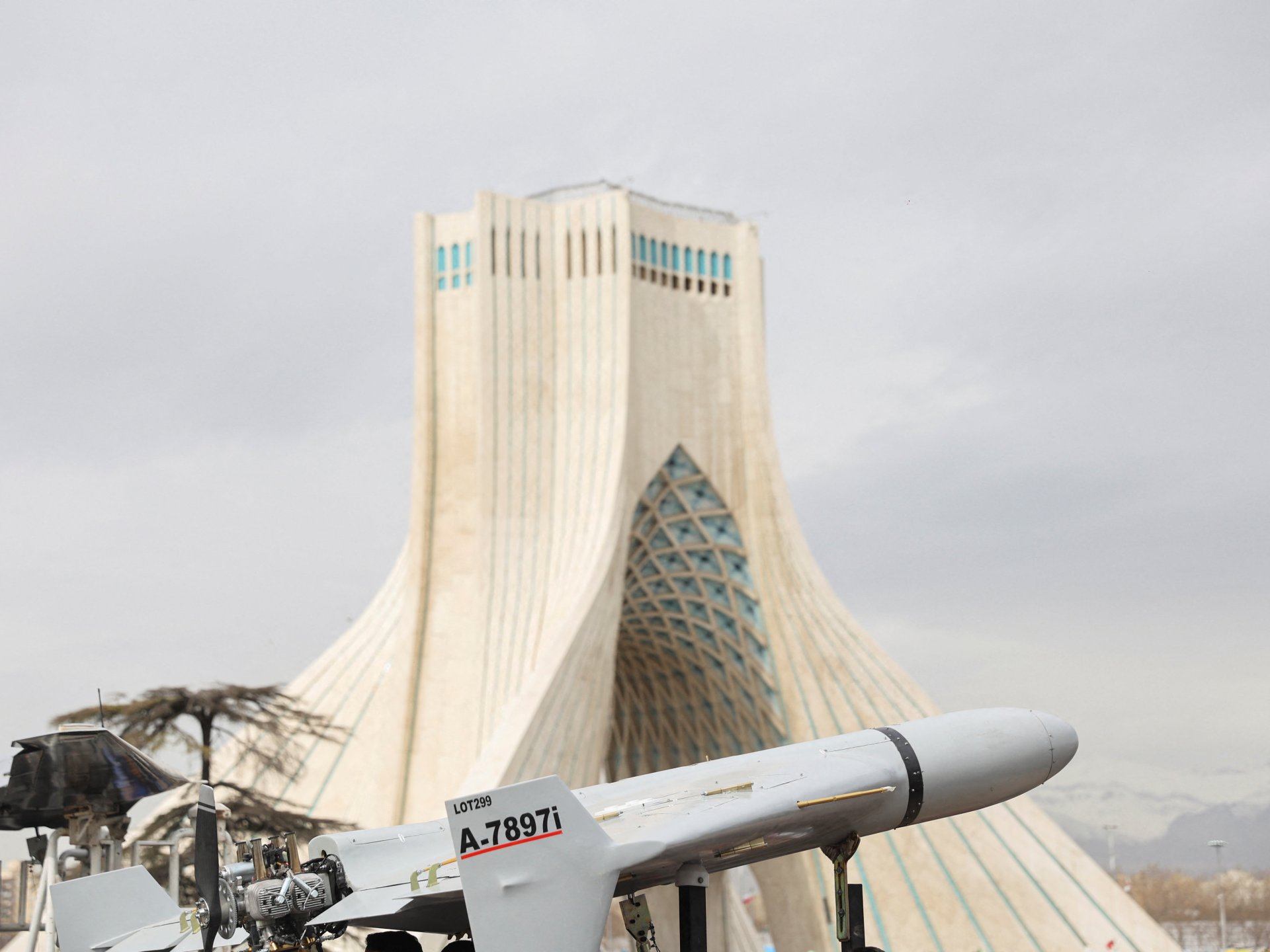
“As the United States continues to deplete Iran’s ballistic missile inventories, the regime is seeking to reconstitute its production capacity,” the Treasury said.
The measures freeze the targets’ assets in the US and make it generally illegal for US citizens to do business with them.
Trump has been piling sanctions against Iran as part of what his administration calls a “maximum pressure campaign” against the country.
The US and Israel jointly started bombing Iran on February 28, launching a conflict that has spread across the Middle East, with ramifications the world over.
Iran responded by closing the Strait of Hormuz and launching drone and missile attacks across the region. The fighting was halted on April 8 after the two-week ceasefire was reached.
Iran, however, continued to block Hormuz because Israel refused to extend the ceasefire to Lebanon, as stipulated in the ceasefire deal initially announced by Pakistan.
In turn, the US military imposed its own naval blockade in the region, targeting all ships originating from or bound for Iranian ports.
Iran announced the reopening of Hormuz last week after a truce was established in Lebanon. But Trump has maintained that the US blockade will continue, prompting Tehran to shut down the strait again.
In recent days, as part of its ongoing blockade, the US military has seized at least one Iranian vessel, and it has ordered 28 other ships to turn around.
With tensions still high, Iranian officials have cast doubt over the fate of the talks in Pakistan. Tehran still has not confirmed its participation in the talks.
“Blockading Iranian ports is an act of war and thus a violation of the ceasefire,” Iranian Foreign Minister Abbas Araghchi said on Tuesday in a social media post.
“Striking a commercial vessel and taking its crew hostage is an even greater violation. Iran knows how to neutralize restrictions, how to defend its interests, and how to resist bullying.”
Related News
Russia suffers ‘record’ soldier casualties as Ukraine ups drone production
Peru’s ballot count drags on amid frustration with presidential election
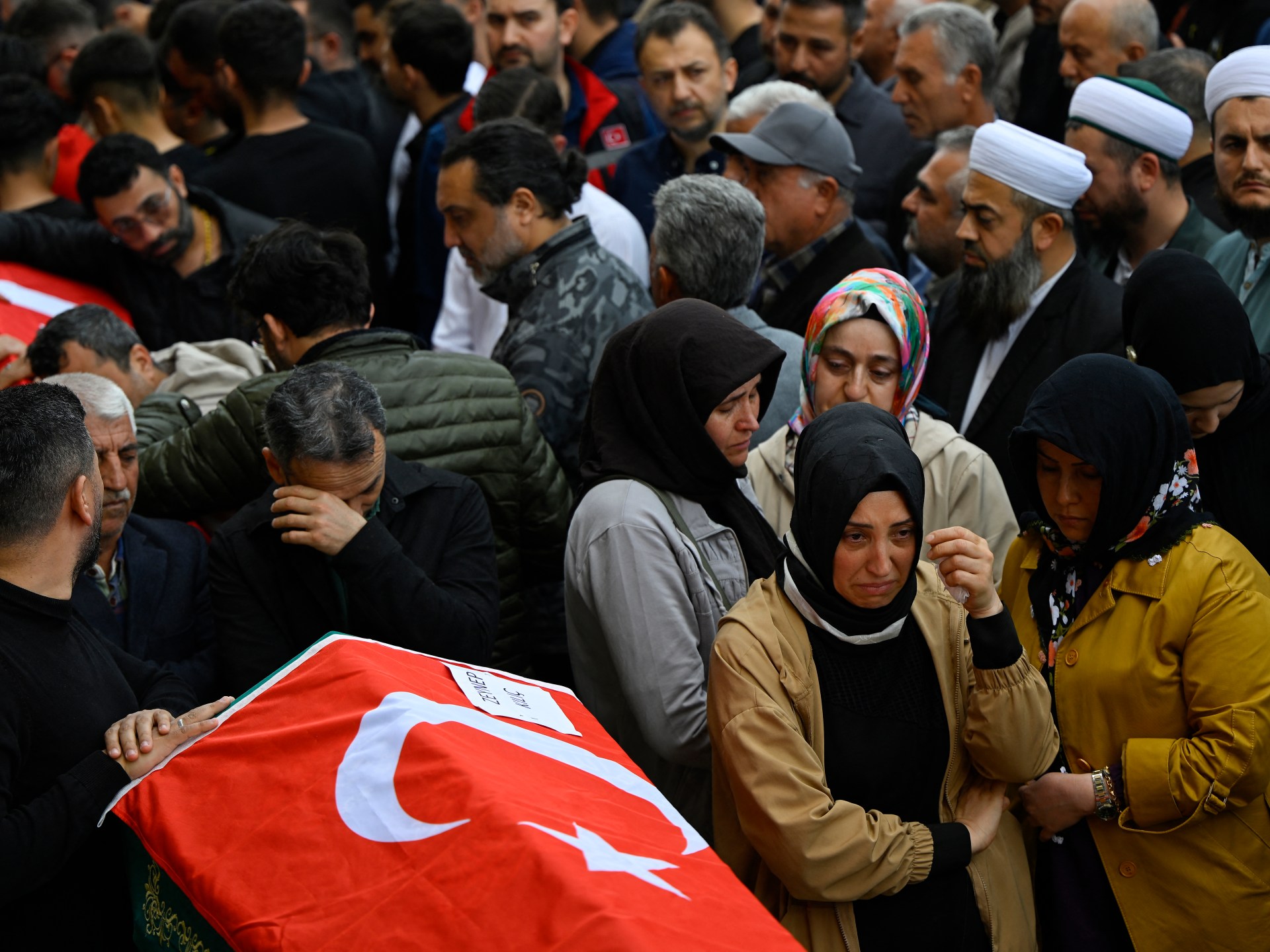
‘Endless grief’: Turkiye mourns victims of second school shooting in a week