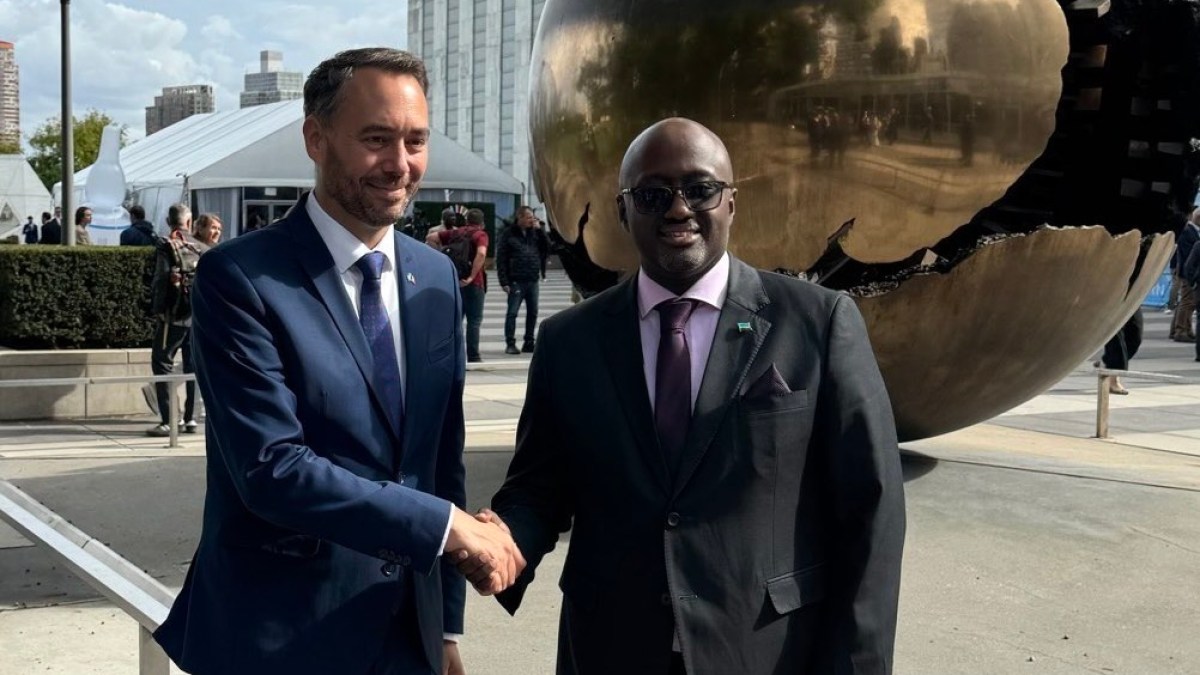
Why Sri Lanka’s Rajapaksas are being investigated for corruption and crimes
 14 October 2026
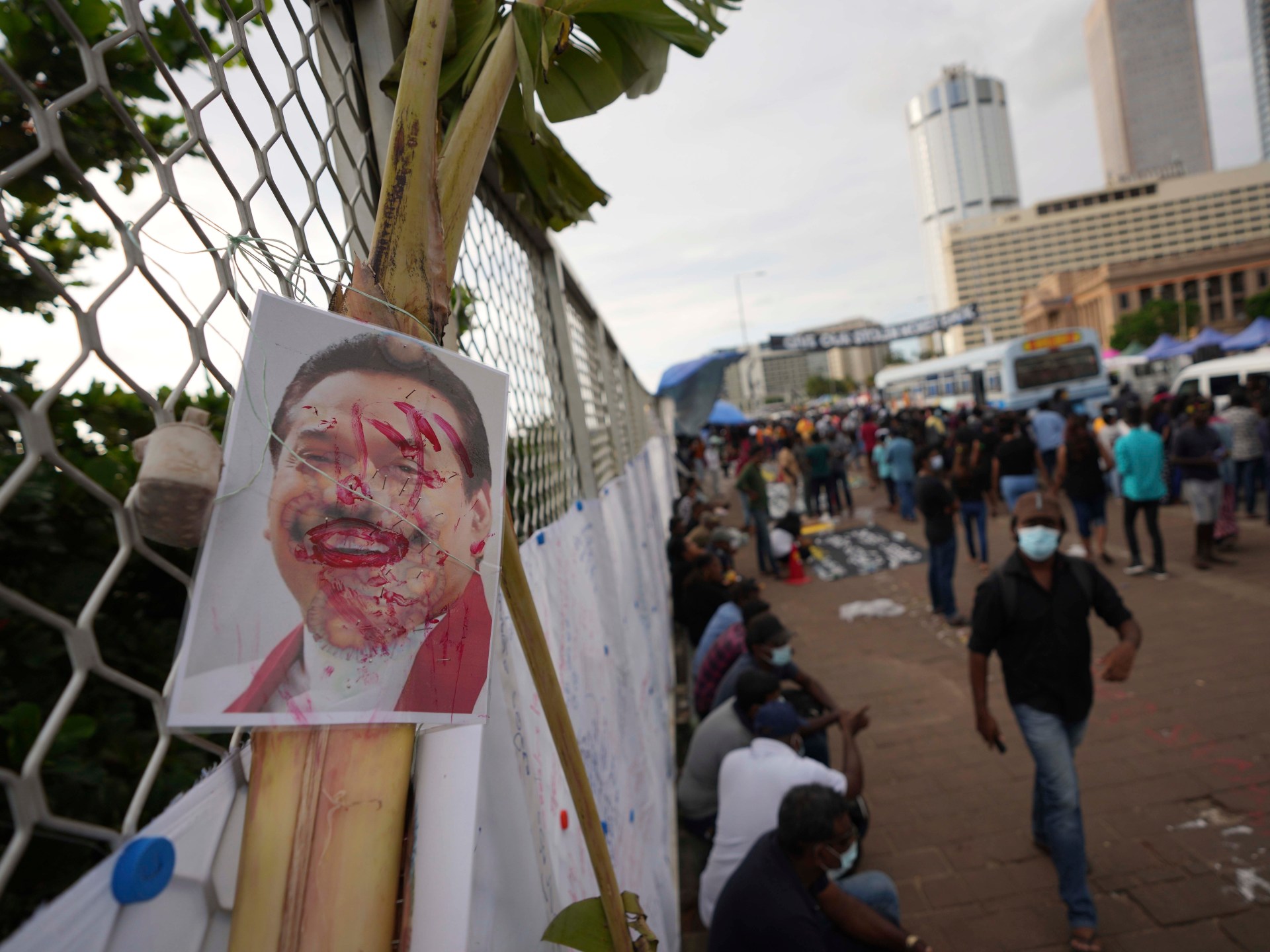

Colombo, Sri Lanka – A court in the Sri Lankan capital has extended the custody of the wife of Sri Lanka’s powerful former President Mahinda Rajapaksa, who was arrested last week over allegations that her charity misused donations collected for a children’s hospital.
The October 7 arrest of Shiranthi Rajapaksa, 73, dealt a huge blow to the once powerful family that ruled Sri Lanka for nearly two decades until they were overthrown in a youth-led uprising in 2022.
A month before Shiranthi’s arrest, her 40-year-old parliamentarian son Namal Rajapaksa, who is also the national organiser of the Rajapaksa-controlled Sri Lanka Podujana Peramuna (SLPP) party, was arrested over bribery charges. He remains in custody.
Here’s all you need to know:
Who are the Rajapaksas?
The family, based in the stronghold of Hambantota district in southern Sri Lanka, counts Mahinda, 80, as its charismatic patriarch.
Elected prime minister in 2004 and president the next year, Mahinda is adored by many among the country’s majority ethnic Sinhala Buddhists for crushing the Tamil separatist rebels who waged a 26-year-long civil war that ended in 2009.
In the campaign against the now-defunct Liberation Tigers of Tamil Eelam (LTTE) rebels demanding a separate state in northern Sri Lanka, Mahinda’s younger brother Gotabaya Rajapaksa served as his defence secretary.

According to estimates by the United Nations, nearly 40,000 civilians were killed in the final weeks of the civil war, triggering an international inquiry into the alleged atrocities. After the war, Mahinda was criticised for not doing enough to mend relations with the Tamils, who have been banned from commemorating their war dead.
Advertisement
During Mahinda’s rule, Sri Lanka, a country of 22 million people, also borrowed nearly $7bn from China for infrastructure projects, many of which were mired in corruption.
Despite changing a law that allowed him a third presidential term, Mahinda lost the 2015 election to former political ally, Maithripala Sirisena.
After the deadly 2019 Easter Sunday bombings in churches and hotels blamed on an ISIL (ISIS) offshoot, Gotabaya, who until then was a political novice, used anti-Muslim rhetoric to win the presidential election – the second in the family to hold the post.
Gotabaya appointed Mahinda as the prime minister, and gave influential ministerial posts to his other brothers – Chamal and Basil – as well as Mahinda’s son, Namal Rajapaksa.
As the family tightened its control over the island struck first by the 2019 bombings and later the coronavirus pandemic, they were also accused of mismanaging the economy and widespread corruption.
The economic crisis ignited historic street protests in the summer of 2022, which forced Gotabaya to flee the country. A caretaker government ruled the country until elections in 2024 saw Anura Kumara Dissanayake, a 57-year-old Marxist, winning the presidency on an anti-corruption platform and promising to act against the Rajapaksa family and previous administrations.
What are the corruption allegations against the family?
The ongoing arrests and legal cases against members of the Rajapaksa family are seen as a part of the same promise.
The former First Lady Shiranthi Rajapaksa was arrested last week by the government’s Commission to Investigate Allegations of Bribery or Corruption (CIABOC).
The Siriliya Saviya foundation, a charity she leads, is accused of misusing donations of nearly 100m rupees ($30,000) intended to buy equipment for a children’s hospital in capital Colombo.
Investigators told a court that a MRI scanner had already been donated by the Chinese government, but the charity allegedly continued to solicit donations for a scanner and misused the funds.
Sagara Kariyawasam, the general secretary of Sri Lanka Podujana Peramuna (SLPP), the party led by the Rajapaksa family, denies the allegation.
“It is untrue and the money is safe in the frozen bank account of Siriliya Saviya,” he told Al Jazeera.
But CIABOC told the court their investigations revealed that the money was used to buy a house and that they would initiate steps to freeze the asset.
On Monday, her lawyers approached a court for anticipatory bail on health grounds. But the plea was rejected. On Tuesday, Shiranthi was presented before the court, which extended her custody until Friday.
Advertisement
Meanwhile, Mahinda’s son Namal is being tried in a case involving the alleged payment of a $30,000 bribe in a government deal with Airbus to buy planes for the national airline.
He faces another investigation where he is allegedly linked to a $211,000 bribe paid by a foreign private company to expedite a government land transfer.
Both incidents allegedly happened during his father’s presidency.

Mahinda’s other son Yoshitha, 38, is also being investigated for money laundering, while Shasheendra Rajapaksa, the 50-year-old son of Chamal Rajapaksa, is currently out on bail in connection with a corruption case.
Also, Basil, another Rajapaksa sibling, is facing an arrest warrant for failing to appear before court in a case related to purchasing properties allegedly using illicit money. He is believed to be in the United States.
Last week, the Financial Crimes Investigation Division seized Basil’s property in Matara, a southern coastal town.
What other charges does the family face?
But it’s not just corruption cases hounding the powerful family.
Gotabaya is barred from travelling abroad over allegations that the 2019 Easter Sunday bombings were staged to boost his popularity ahead of the 2019 presidential election.
Last week, a Sri Lankan court rejected his appeal to prevent his likely arrest in the ongoing investigation into the simultaneous bombings in three churches and three hotels, killing 279 people, 45 of them foreigners, in the worst such attack on the island popular for tourism.
In 2023, a whistleblower told the British network Channel 4 that former Sri Lankan intelligence chief Suresh Salley had met the alleged bombers behind the 2019 attacks, as part of a conspiracy to influence the upcoming election.
Gotabaya declared his candidacy two days after the attacks, and his campaign focused on combating “Islamic extremism”. Salley was arrested in February this year under terror laws and is being investigated over the Easter Sunday bombings.

Ramindu Perera, a researcher in international law at the European University Institute in Italy, says if the allegation that the Rajapaksas were connected to the 2019 attacks is proved, it would have a “devastating effect” on the family.
“Such revelations are likely to further delegitimise the SLPP’s standing in Sri Lankan politics,” he said. The party has been reduced to just three seats in the 225-member national parliament.
Last month, Sri Lanka’s High Court convicted 15 of the 24 Muslim men accused of involvement in the 2019 bombings, but families of many victims said they are still waiting for the “masterminds” to be held accountable.
How have Sri Lankans reacted to the investigations?
Addressing a public rally at Nikawerariya in northwestern Sri Lanka on Sunday, President Dissanayake said the law will be applied to everyone equally.
“Those who gained social power, political power and positional power, used those powers to be above the law. But, under this government, the law is equal for everyone,” he said.
Advertisement
“If anyone believes that the law will not reach them, we are now proving that there is no place where law cannot reach and no one is beyond its reach,” he added.
But SLPP’s Kariyawasam accused the government of misleading the people.
“We don’t have any problem with thieves being punished after proving their wrongdoings,” he told Al Jazeera.
“But the government is taking people to custody without any court trials, and then tells the people that they punish thieves. This is purely a political witch-hunt.”
Researcher Perera said the demand for accountability in corruption cases was the main slogan that brought Dissanayake to power.
“As action against corruption is at the core of the NPP government’s mandate, what is happening now should be seen as an attempt to enforce that mandate,” he told Al Jazeera, referring to Dissanayake’s National People’s Power party.
Political analyst Gamini Viyangoda also rejected Kariyawasam’s claim. “This is not a political witch-hunt, but implementing the rule of law.”
Related News
Israeli barrier cuts off water to West Bank Palestinians before elections
Can the Houthis hold on to Yemen’s strategic western coast?
Iran’s Pezeshkian meets Pakistan’s Naqvi in Tehran as tensions with US rise