
The United Nations Security Council (UNSC) has condemned Rwanda for backing a rebel offensive in eastern Democratic Republic of the Congo and urged it to withdraw its forces and stop supporting the M23 armed group.
The UNSC unanimously adopted the resolution on Friday, and also extended the UN peacekeeping mission in the DRC, known as MONUSCO, for a year. This came despite Rwanda’s repeated denials – contrary to overwhelming evidence – of involvement in a conflict that has intensified as a United States-brokered peace deal unravels.
- list 1 of 3‘We don’t care about politics’: Violence-hit Uvira locals just want peace
- list 2 of 3Tens of thousands flee DR Congo to Burundi amid rebel takeover of key city
- list 3 of 3Refugees describe neighbours killed as M23 cements control of key DRC city
end of list
The UNSC said M23’s seizure of the strategic city of Uvira “risks destabilizing the whole region, gravely endangers civilian populations and imperils ongoing peace efforts”.
“M23 must immediately withdraw at least 75km (47 miles) from Uvira and return to compliance with all of its obligations undertaken in the Framework Agreement,” said Jennifer Locetta, a US representative to the UN.
M23 captured Uvira in the South Kivu Province on December 10, less than a week after the DRC and Rwandan presidents met US President Donald Trump in Washington and committed to a peace agreement.
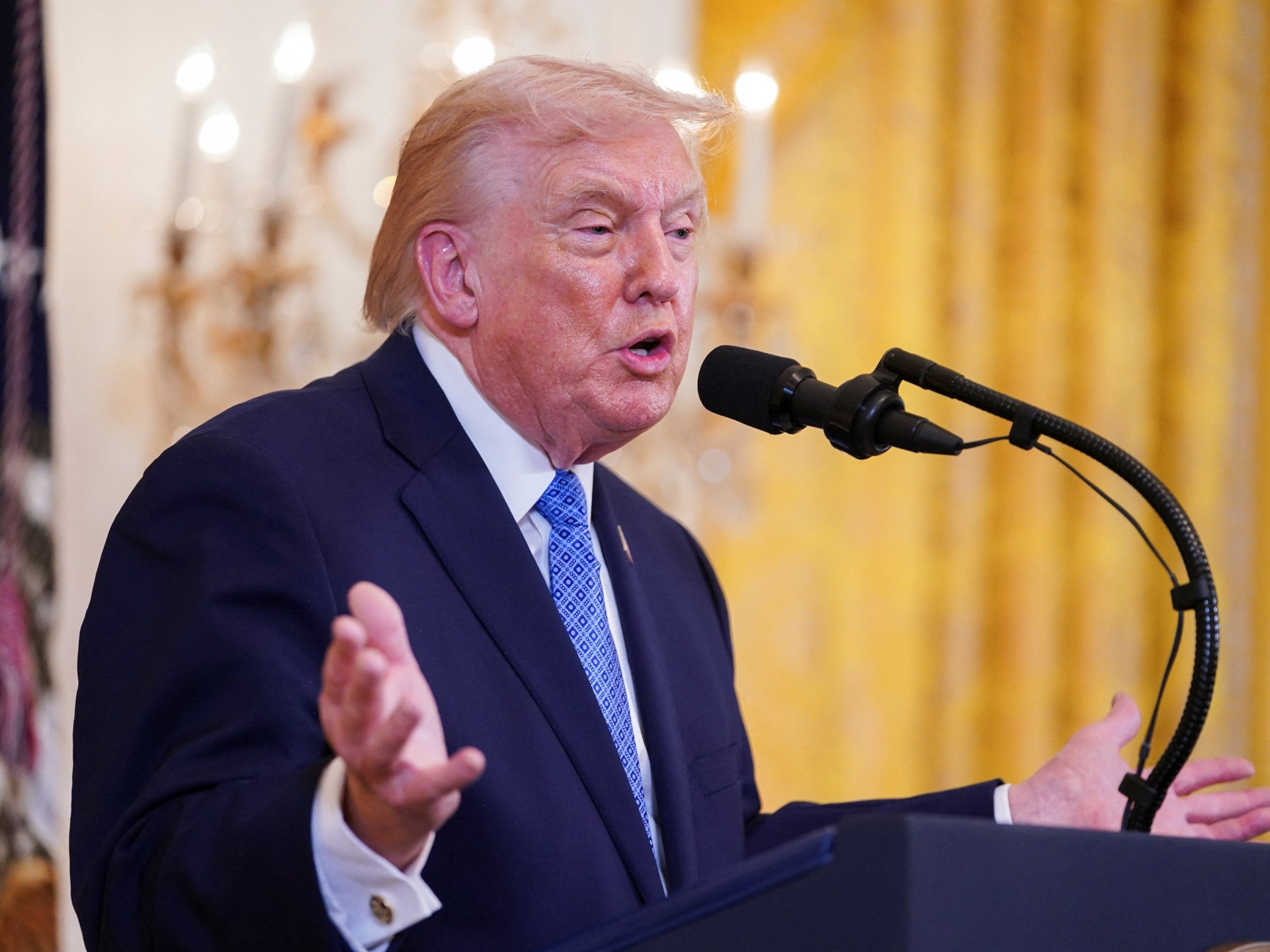
“It is an amazing day: great day for Africa, great day for the world and for these two countries. And they have so much to be proud of,” Trump crowed, as fighting quickly undermined the White House spectacle.
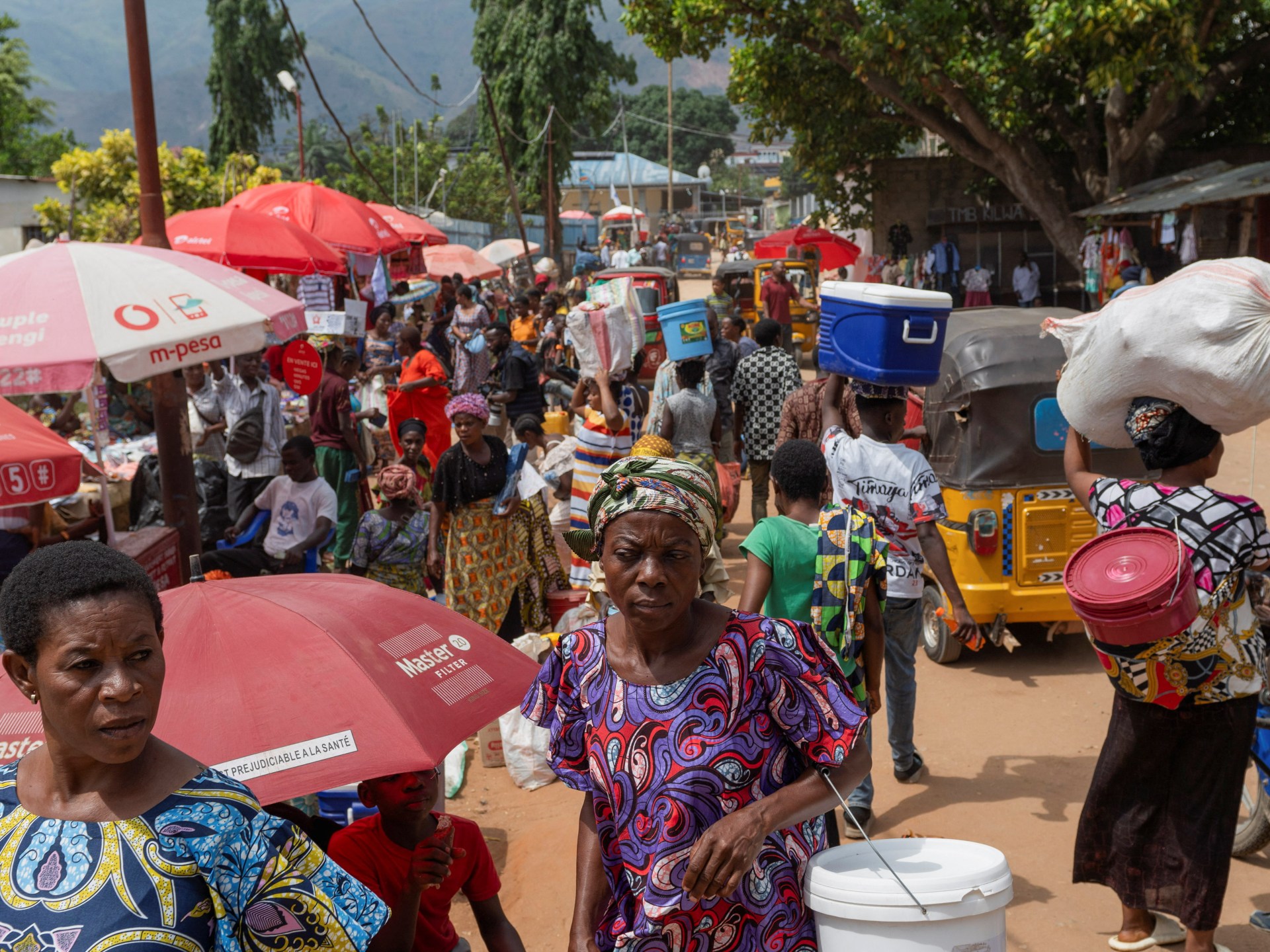
One Uvira resident, Feza Mariam, told Al Jazeera in recent days: “We don’t know anything about the political process they are talking about.
“The only thing we need is peace. Anyone able to provide us with peace is welcome here. For the rest, we as citizens, we don’t care about it.”
The M23 group claimed on Wednesday it was withdrawing from the city following international backlash, but the DRC government dismissed this as a “staged” pullback, saying M23 forces remain deployed there.
Advertisement
US Secretary of State Marco Rubio acknowledged on Friday that commitments under the Washington accord were “not being met” but said his government had now signed agreements it could “hold people to”.
The US earlier warned it would use available tools against those undermining the peace deal, with US officials estimating between 5,000 and 7,000 Rwandan soldiers were operating in eastern DRC as of early December.
The US had previously sanctioned Rwandan cabinet ministers earlier this year, and the DRC later led calls to expand those sanctions after the seizure of Uvira.
The fighting has triggered a major humanitarian emergency, with more than 84,000 people fleeing into Burundi since early December, according to the UN refugee agency, which said the country has reached a “critical point” as refugees arrive exhausted and traumatised. They join approximately 200,000 others who had already sought refuge in the country.
Regional officials say more than 400 civilians have been killed in recent violence in the city.
The seizure of Uvira, located directly across Lake Tanganyika from Burundi’s largest city, Bujumbura, has raised fears of broader regional spillover. The city was the last major foothold in South Kivu for the DRC government and the Wazalendo, which are DRC-allied militias, after M23 captured the provincial capital, Bukavu, in February.
Rwanda has consistently denied backing M23, despite assessments by UN experts and the international community. In a February interview with CNN, Rwandan President Paul Kagame said he did not know whether his country’s troops were in the DRC, despite being commander-in-chief of the armed forces.
Rwanda implicitly acknowledged a presence in eastern DRC in February 2024, when it rejected a US call to withdraw troops and surface-to-air missile systems, saying it had adjusted its posture for self-defence.
Rwanda maintains that its security concerns are driven by the presence of the Democratic Forces for the Liberation of Rwanda, a militia composed largely of Hutus who fled to the DRC after participating in the 1994 genocide that killed approximately 800,000 Tutsis and moderate Hutus.
Kigali views the group as an existential threat and accuses the DRC government of supporting it.
The broader conflict in the mineral-rich eastern DRC, where more than 100 armed groups operate, has displaced more than seven million people, creating one of the world’s worst humanitarian crises.
Related News
Sri Lanka landslides feared as toll hits 618, widespread loss sweeps Asia
Trump prosecutor Jack Smith defends record before Republican lawmakers
Acclaimed British photographer Martin Parr dies aged 73