
London, United Kingdom – It was supposed to be a gathering of the great and the good to discuss climate change. The meeting in central London on Wednesday was titled Extreme Heat and was part of London Climate Action Week. It was cancelled because it was just too hot.
If the organisers were embarrassed, they could at least say their point was made.
- list 1 of 4How does air conditioning work, and how does it affect your body?
- list 2 of 4How to stay cool and treat heatstroke during a heatwave
- list 3 of 4When Paris is hotter than Mecca: How Europe’s heatwave compares globally
- list 4 of 4From bus drivers to horse riders, Britain struggles to bear record heatwave
end of list
The June temperature record was broken at 36.1 degrees Celsius (97 degrees Fahrenheit) in some places.
The past few days have revealed that the UK is not made for the heat – structurally or culturally.
United Nations Secretary-General Antonio Guterres said: “London isn’t just calling. It’s cooking.”
Electrical group AO World says sales of air conditioning units are up 420 percent from a year ago. Other suppliers say they have run out of stock.
Motoring group the RAC says it responded to 20 percent more callouts for broken-down vehicles than usual as cars succumbed to the extreme weather.
But there are negative effects on the economy, too.
Rajeev Shaunak, head of consumer at business adviser MHA, said: “Historically, a British heatwave triggered spending in categories linked to food, drink and garden furniture, as we witnessed during the hot summers of 2018 and 2022.
“However, in 2026, the pattern of spending appears to be dependent on how high the mercury rises. In previous years, warm weather was a guaranteed bonus for retailers, but if the extreme heat continues, it could have the opposite effect.”
An ice cream seller told Al Jazeera on Thursday that fewer people are daring to leave their homes or offices during the heatwave, while a chef said he takes extra care to ensure food does not expire.
Advertisement
Britain’s houses have typically been designed to keep heat in during winter. Some new homes are so good at this that they easily overheat in the summer.
Professor Rory Jones from the University of Reading said: “While some households can invest in cooling, older people, lower-income families, lone parent families and renters often face the greatest barriers to accessing protection from extreme heat, so the people most at risk from extreme heat are often the least able to afford protection from it.”

On Wednesday alone, 2,600 rail services were cancelled or delayed. Direct sunlight heats the tracks, which increases the risk of derailing. Thus, many commuters could not get to the office.
More than 1,000 schools and nurseries closed.
The heat has been more than merely inconvenient.
While schoolchildren can be sent home from boiling classrooms, the elderly in care homes cannot.
The famed heatwave of 1976 saw 15 days when the temperature was above 32C (90F). That temperature is no longer so unusual in the UK.
The 2022 heatwave caused 3,000 heat-related deaths, according to government figures, most in people above 65. Deaths in nursing and residential homes soared. The figures this time seem unlikely to be better.
While some enjoyed the sun, sank cool beer and enjoyed ice cream, the impact of the heatwave spoke to a wider concern about the UK.
Campaigners say warnings about rising heat have been loud for years, but successive governments and many big businesses have just not done anything about it, a failure adding to the feeling of gloom about a country that swaps prime ministers regularly and struggles to see large infrastructure projects, such as the HS2 rail development, a transformative high-speed rail network, to any good conclusion.

Greenpeace says there needs to be an “extreme heat plan” that goes far beyond tame advice to drink more water and finds funds to heat-proof schools, hospitals and houses.
Greenpeace UK’s political campaigner Angharad Hopkinson said: “The summer of ’76 may be seared into the nation’s memory, but it’s quickly being overtaken by even more terrifying heatwaves … Our next prime minister needs to act on the evidence outside their window and the advice of their scientific advisers and stay the course on climate policies.”
Advertisement
Zack Polanski, the Green Party leader, posted on X: “Fossil fuel giants and their billionaire backers are boiling Britain. We need action to reduce emissions – but we also need emergency safety measures too.”
The Greens, in the past opposed to air conditioning due to its impact on the environment, now say the situation is so serious that it is vital in some contexts.
Even if fossil fuels have nothing to do with rising temperatures, as some believe, almost no one claims that the weather is not getting hotter.
A red weather warning that came into place for London on Wednesday – only the second time this level of alert has ever been issued – has been extended. The Met Office alert indicating a risk to life now runs until Friday night.
While sales of fans and air conditioning units have soared, campaigners say these are insufficient solutions even for the families that can afford them.
Nine in 10 UK properties are not designed to withstand the heat of future summers, according to the Climate Change Committee, with 40C (104F) summer highs to become normal by 2050.

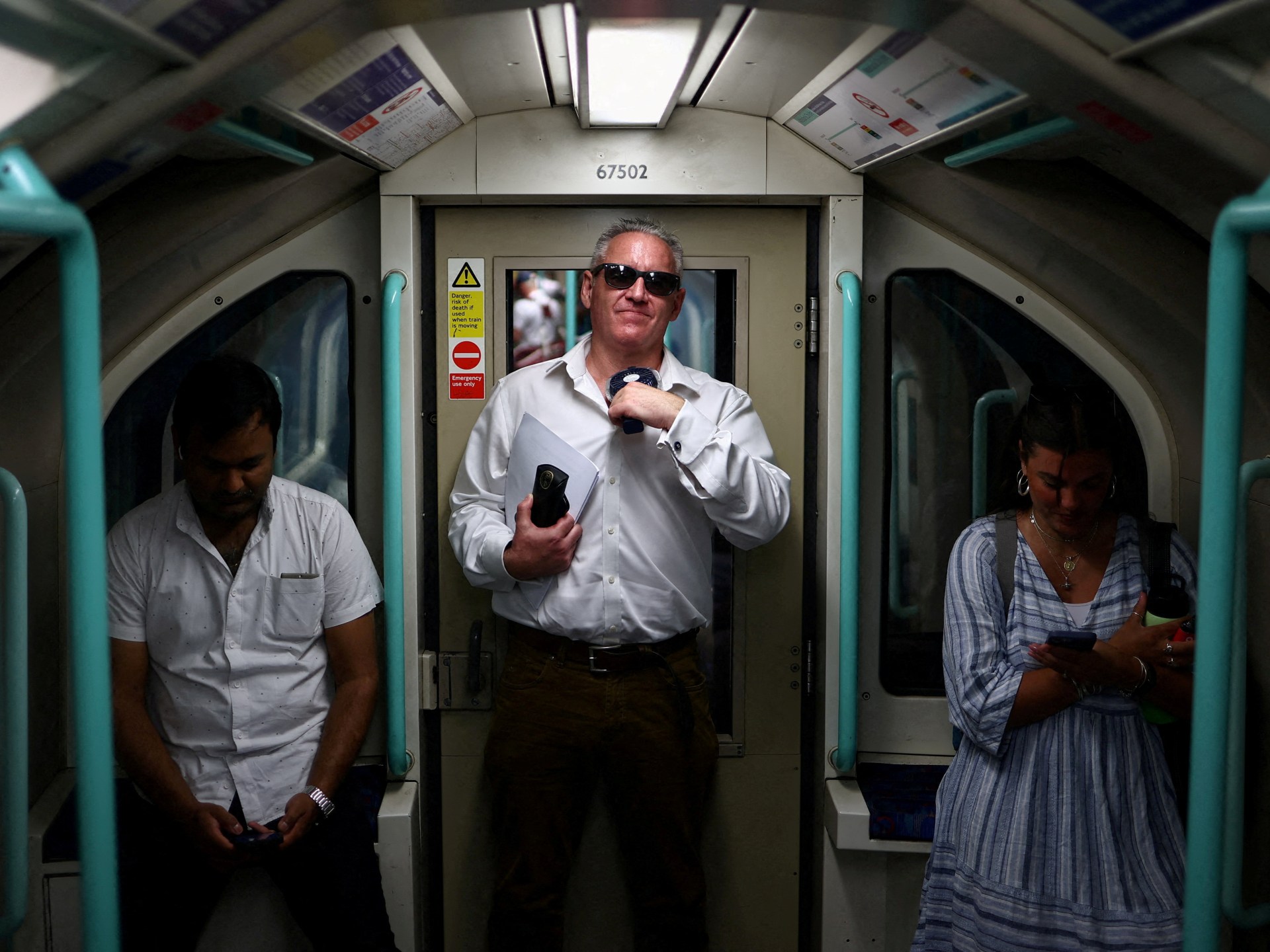
As for transport, the London Underground has not introduced any new air-conditioned trains since 2017. Busy trains in commuter hours can be miserable.
Some say that Britain has always had heatwaves. But the figures show that they are worse and more regular now. In the last 50 years, average global temperatures rose by 1C (1.8F). In the south of England, they are up by between 3C and 4C (5.4 – 7.2F).
The UK’s ability to cope seems stretched at best.
Related News

‘Netanyahu’s life project failed with US-Iran deal’

VIDEO: Watch World Cup Day 14: South Africa advance with Morocco and Brazil

Ebola closure cuts off a lifeline between DRC’s Goma and Rwanda