Italy vows to maintain border checks despite Spain’s countermeasures threat
 07 August 2026
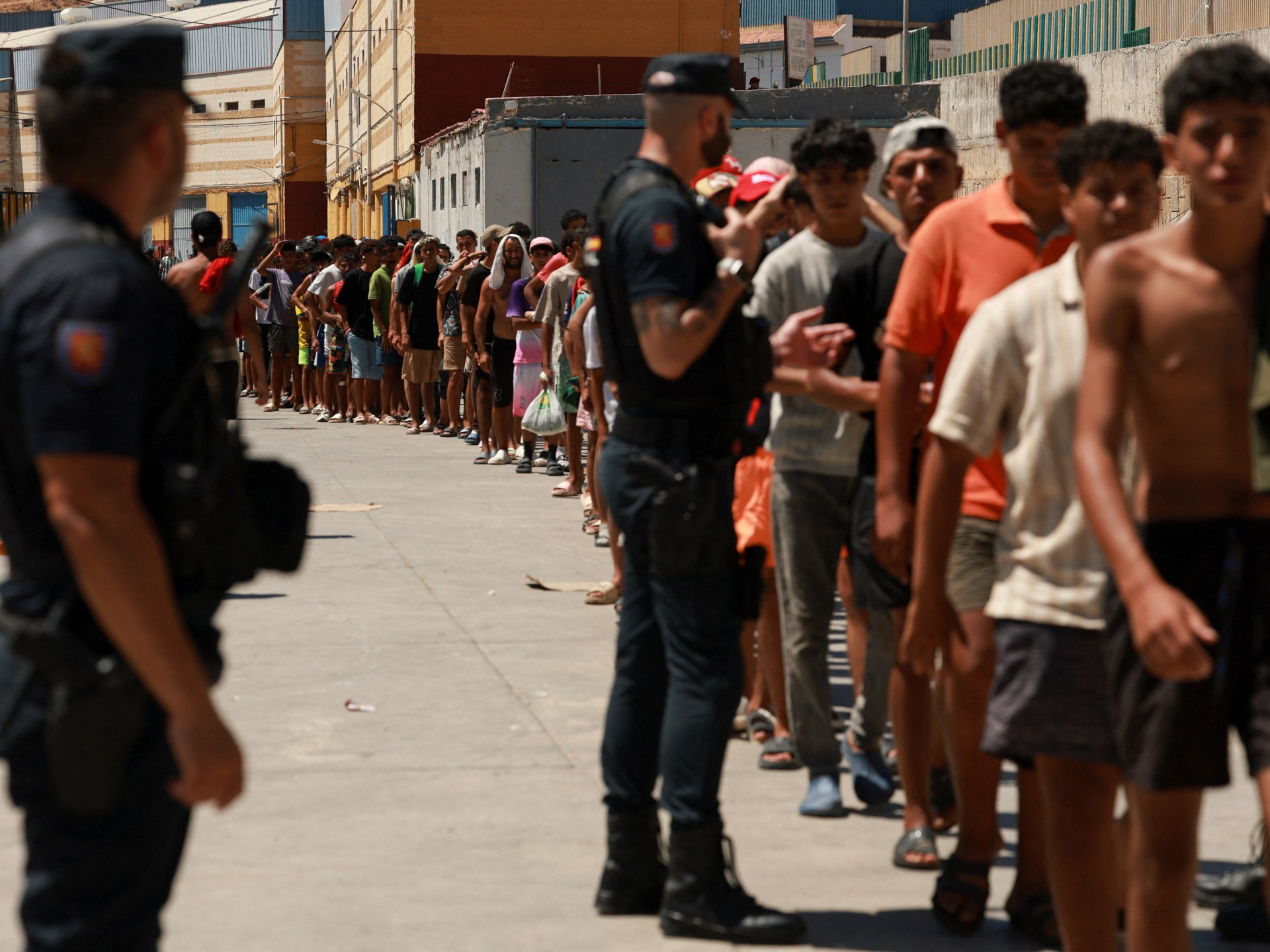

Italy has doubled down on its temporary reinstatement of border controls following the deadly rush of thousands of migrants into the Spanish enclave of Ceuta, even after Madrid threatened retaliation.
In a statement on Friday, the Italian government said it would not bow to “ultimatums or impositions” from Spain and would maintain border controls until at least August 15.
- list 1 of 4Ceuta’s leader says 100 died in border rush as up to 5,000 still in enclave
- list 2 of 4How a social media campaign triggered huge migrant surge on Ceuta
- list 3 of 4Ceuta and Melilla: Why Europe’s African border remains a flashpoint
- list 4 of 4How the far right weaponised the Ceuta crisis
end of list
The refusal came hours after the Spanish government declared a two-day deadline for Italy “to rectify, put an end to the checks and treat Spaniards like other European citizens”.
“If it does not do so before the end of Sunday, August 9, Spain will be obliged to adopt proportional measures to protect the interests and dignity of its citizens,” Spain’s statement said.
The diplomatic tit-for-tat unfolds as Spain continues to reel from the influx of some 72,000 people who crossed into Ceuta from Morocco last week, on foot and by sea.
Mass arrivals in the North African Spanish enclave angered other European Union leaders who have taken a hard anti-migration stance, including far-right Italian Prime Minister Giorgia Meloni.
Italy earlier said it would temporarily reintroduce border checks with Spain starting on August 1 in what Meloni called an “extraordinary measure” seeking to “safeguard national security and prevent possible repercussions for our nation”.
Yet experts said there was little prospect of migrants travelling from Ceuta to Italy, particularly as Italy and Spain do not share a land border. Rights groups instead pegged Meloni’s move as “political theatre”.
Advertisement
Still, 22 EU member states signed a joint letter accusing Spain of “pull factors” that destabilise the bloc’s borders.
The vast majority of the Ceuta migrants have since returned to Morocco as authorities tallied at least 100 deaths.
Also on Friday, Spain said its police successfully dismantled a people-smuggling operation believed to have brought 2,000 migrants into the country via Spain’s southeastern coast and the island of Ibiza.

Amid the political fallout, Spanish leaders are grappling with a humanitarian crisis still ongoing in Ceuta.
Of the few thousand undocumented migrants who remain in the enclave, at least 1,342 are children, Youth Minister Sira Rego said on Friday – hundreds of whom are unaccompanied.
Rego acknowledged “painful images” of children sleeping on Ceuta’s streets, noting that two schools had been opened as authorities evaluated more locations as possible reception centres.
Still, Ceuta authorities said at least 1,100 children needed assistance, with Ceuta’s theoretical capacity only totalling 90 places where people could be housed.
“It might only be a matter of a few weeks before we start seeing [children] transferred to and welcomed on the mainland,” Rego told reporters.
Local and international charities have cautioned that the children face abuse and exploitation.

Jose Miguel Morales, head of Federacion Sur Acoge, a migrant rights and assistance group in southern Spain, said some of the children were under 14 years old and had already been beaten and assaulted.
But the transfer of children to the mainland has become a domestic flashpoint in Madrid, where Prime Minister Pedro Sanchez’s government approved 25 million euros ($29m) to help support unaccompanied minors in the territory.
Leaders from the far-right, anti-immigration Vox party were quick to say they opposed any aid for migrant children.
Vox leader Santiago Abascal wrote on X that “not one euro from Spaniards” should go “for illegals, for invaders”.
Related News
Yemen’s government says Houthi attack on al-Makha kills at least four
Mahmoud Khalil alleges conspiracy in lawsuit against Trump officials

UAE imposes indefinite trade embargo on Iran over alleged missile attacks