
The Iranian military says an announced naval blockade on vessels by the United States in international waters would be illegal and amount to piracy, warning that no Gulf ports would be safe if its own were threatened.
The US military said it would begin a blockade of all Iranian ports on Monday at 14:00 GMT, after talks between the warring sides in Pakistan collapsed.
- list 1 of 4US military threatens to blockade all Iranian ports starting on Monday
- list 2 of 4US blockade of Iran would worsen global energy crisis, analysts say
- list 3 of 4Starmer says UK will not support US blockade of Strait of Hormuz
- list 4 of 4Oil prices surge past $103 a barrel after US announces blockade of Iran
end of list
President Donald Trump also announced on social media that the US would blockade the strategic Strait of Hormuz trade route, which he has been demanding that Tehran fully reopen.
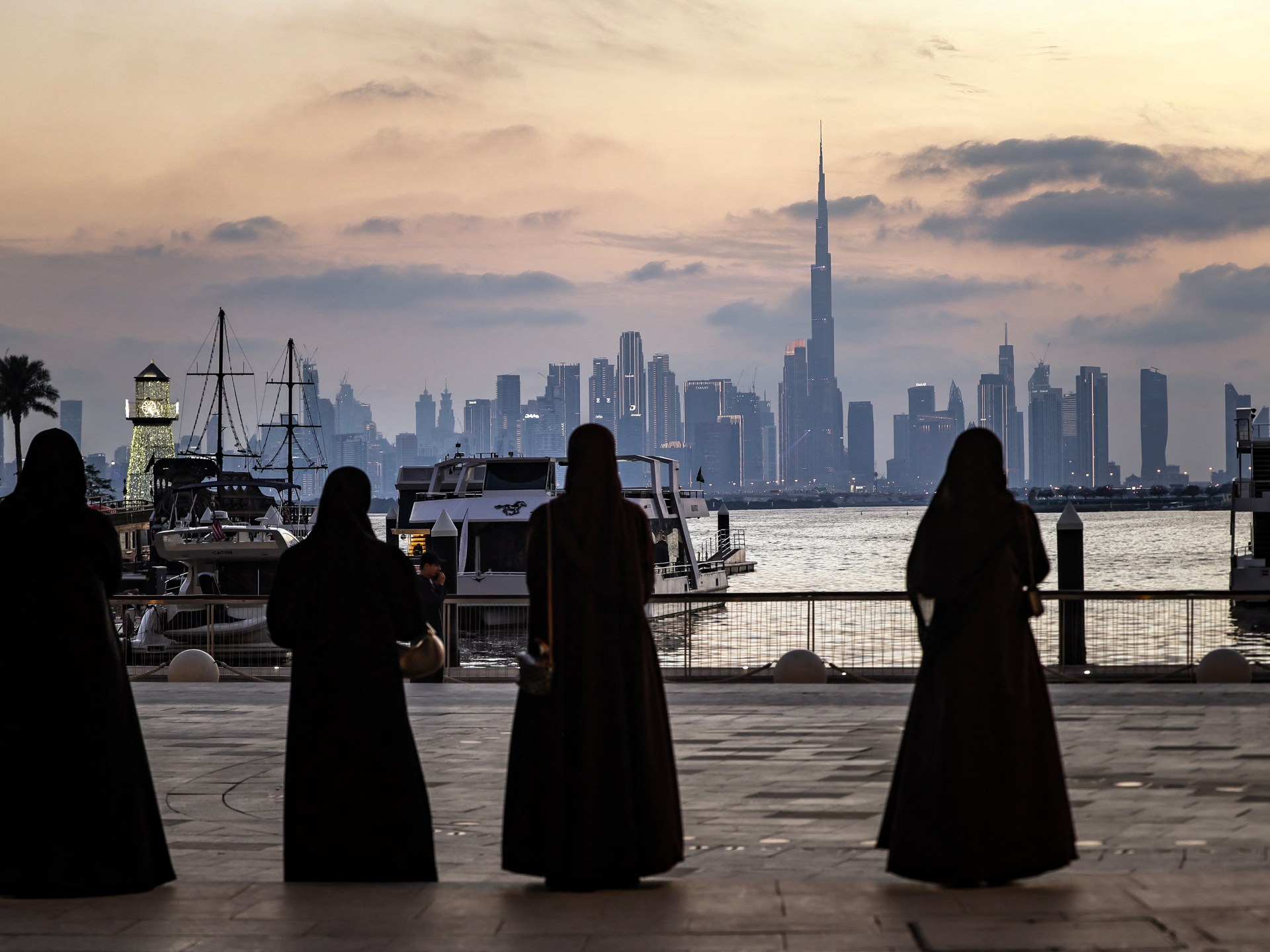
An Iranian army statement on Monday said if the security of Iran’s “ports in the waters of the Persian Gulf and the Arabian Sea is threatened, no port in the Persian Gulf and the Arabian Sea will be safe”, referring to the Gulf, which is also known as the Arabian Gulf.
“The restrictions imposed by criminal America on maritime navigation and transit in international waters are illegal and constitute an example of piracy,” said the statement issued by the Iranian military’s central command centre, Khatam al-Anbiya, that was read on state television.
The weekend’s failed talks dashed hopes of a swift deal to permanently end the war that has killed thousands and thrown the global economy into turmoil since it began in late February.
Despite the threats, the ceasefire between the US, Israel and Iran that entered into force last week has been holding with no indication that there would be an immediate resumption of the war.
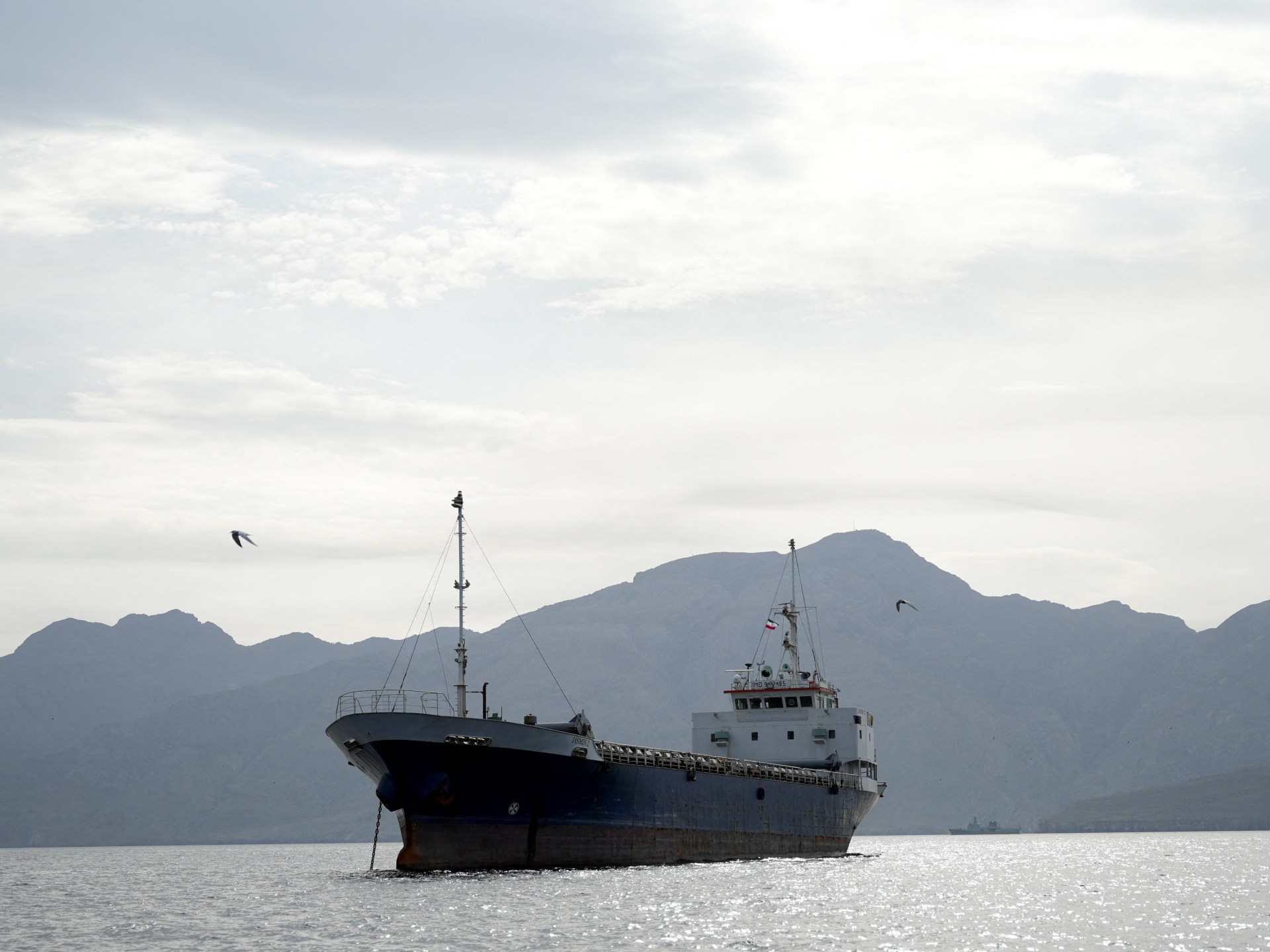
Traffic through the Strait of Hormuz, a key route for global oil and gas shipments, has been heavily restricted since the start of the war, with Iran allowing only a few vessels serving friendly countries such as China.
Advertisement
Oil prices, which had tumbled with the truce, jumped almost 8 percent on Monday, with both key WTI and Brent contracts, which are benchmarks, topping $100 a barrel.
The US Central Command said the planned blockade would be enforced “impartially against vessels of all nations entering or departing Iranian ports and coastal areas, including all Iranian ports on the Arabian Gulf and Gulf of Oman”.
The military forces would not impede vessels transiting the Strait of Hormuz to and from non-Iranian ports, it added.
In a lengthy social media post on Sunday, Trump said his goal was to clear the strait of mines and reopen it to all shipping, but that Iran must not be allowed to profit from controlling the waterway.
China, Washington’s great power rival and a big importer of Iranian oil, also criticised the US plan.
“The Strait of Hormuz is an important international trade route for goods and energy, and maintaining its security, stability, and unimpeded flow is in the common interest of the international community,” Ministry of Foreign Affairs spokesman Guo Jiakun said, urging Iran and the US not to reignite the war.
Among Washington’s NATO allies, much criticised by Trump for their reluctance to follow him to war, Spain’s Defence Minister Margarita Robles said the planned naval blockade “makes no sense”.
“It’s one more episode in this whole downward spiral into which we’ve been dragged,” she said.
In a BBC radio interview, United Kingdom Prime Minister Keir Starmer said Britain will not join the US blockade, adding that the UK “is not getting dragged” into the US-Israel war on Iran.
Related News
Pakistan sends fighter jets to Saudi Arabia amid fragile US-Iran ceasefire
Abuse allegations against lead Democrat shake race for California governor
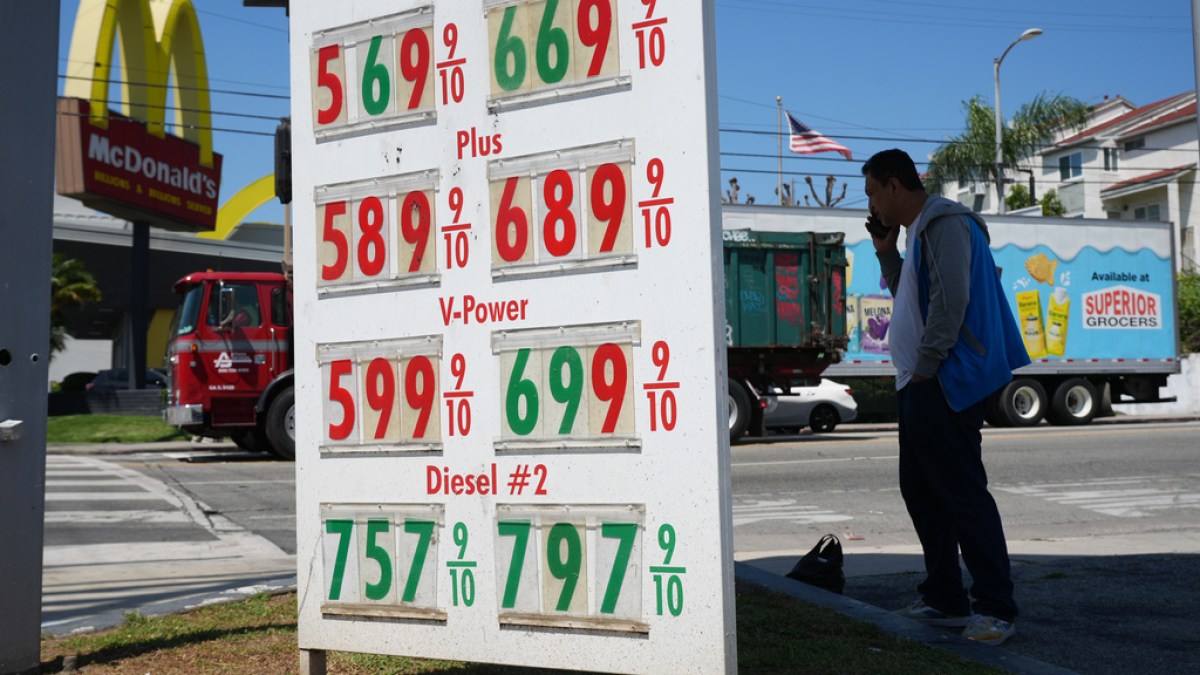
Inflation rises in US amid Iran war, Hormuz blockade