
Lagos, Nigeria – The first economic shockwaves from the United States-Israel war on Iran have been felt through oil markets, shipping routes and financial uncertainty. But its longer-term consequences could extend far beyond the Middle East, reshaping energy markets, trade networks and geopolitical alignments worldwide.
Across Africa, governments are reassessing their energy security, defence partnerships and investment strategies as uncertainty grows over the future of global alliances and supply chains.
For countries already grappling with conflict, debt pressures and fragile economies, the crisis presents new risks. Yet it is also accelerating debates that have long been under way over how to strengthen domestic energy capacity, diversify foreign partnerships and reduce reliance on external powers.
A changing geopolitical landscape
Africa’s external partnerships are entering a period of adjustment. As global powers confront competing security priorities, African governments are reassessing investment strategies, financing options and diplomatic ties.
For some analysts, the disruption also presents an opportunity. Greater uncertainty in the global order could encourage African states to diversify their sources of finance, strengthen regional institutions and pursue more balanced relationships with external powers.
Iran’s role in Africa is also being examined through the lens of these changing dynamics. Tehran has sought to expand political and security engagement in parts of the continent, particularly as relations between some African governments and Western partners have deteriorated. However, analysts suggested that a prolonged confrontation could affect Iran’s ability to finance and sustain some overseas partnerships.
Advertisement
Any reduction in Iranian engagement would not necessarily translate into less foreign involvement in African security affairs. Russia and Turkiye are widely seen as among the external powers positioned to expand their roles. Moscow has increased military cooperation and arms relationships through initiatives such as the Africa Corps while Ankara has expanded its influence through defence exports, drone technology, training programmes and diplomatic engagement.
The result, according to some analysts, may not be a decline in external involvement in African security affairs but increased competition among outside powers seeking influence.
Sudan and the wider Red Sea struggle
Sudan provides one example of how these wider geopolitical shifts are playing out on the ground. The country has become a focal point for competition between regional powers, and observers are increasingly viewing its civil war as being shaped by external alliances, supply networks and Red Sea rivalries.
Some analysts had expected that greater regional involvement during the US-Iran crisis might encourage Saudi Arabia and the United Arab Emirates to coordinate more closely and potentially ease tensions over Sudan. So far, that outcome has not materialised.
Leena Badri, a Sudanese researcher and nonresident fellow at the Tahrir Institute for Middle East Policy, told Al Jazeera that expectations of a diplomatic breakthrough have been misplaced.
“Any hope that the Iran war would push Saudi Arabia and the UAE closer together and in turn ease pressure on Sudan hasn’t really held up so far. If anything, their rivalry over Sudan and the wider Red Sea is deepening, which means there’s still no real sign of the war winding down.”
The Iran war has also highlighted the importance of maritime access. Analysts have pointed to Iran’s reported military cooperation with Sudan’s military and the role of Red Sea supply routes while competing regional networks have also been reported to be seeking influence through different channels.
For Sudan and neighbouring states, the crisis has reinforced concerns that instability beyond Africa’s borders can increasingly affect political and security dynamics across the Red Sea corridor.
The same concerns extend across Africa. As Washington and its allies devote greater attention and resources to Middle Eastern security challenges, some African governments have expressed concern that diplomatic engagement and security assistance could receive less attention. For countries already facing insecurity in the Sahel and Horn of Africa, any reduction in international focus could add pressure to existing challenges.
Advertisement
Energy security becomes a bigger challenge
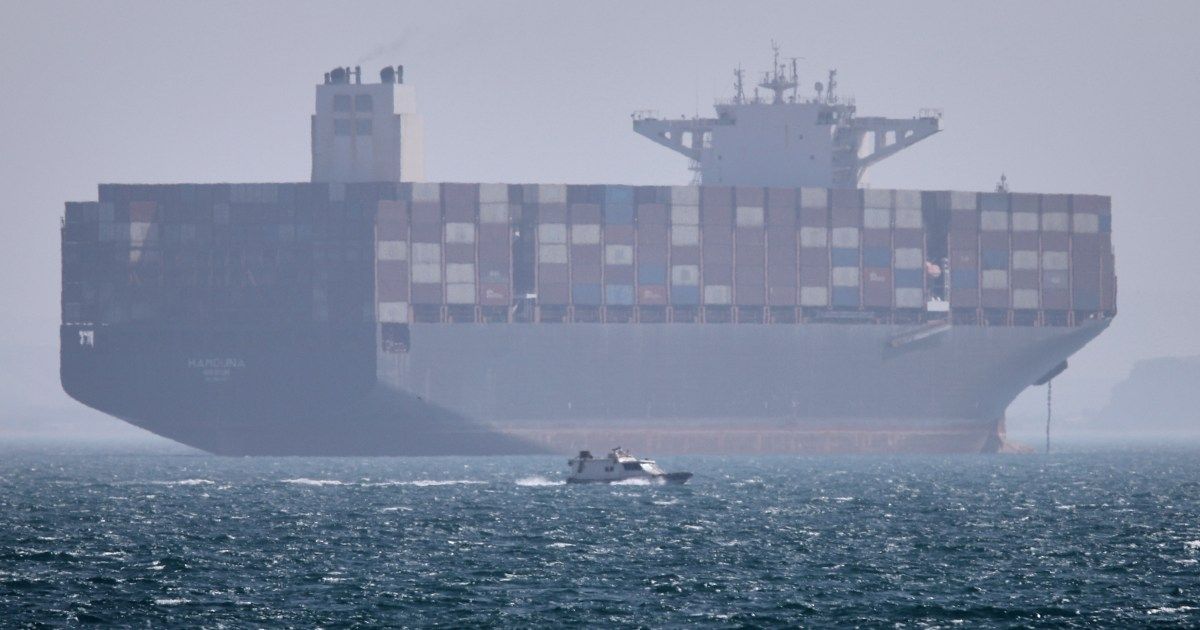
The crisis has also exposed Africa’s vulnerability to disruptions along major maritime routes. The Strait of Hormuz is a conduit for a significant share of global oil exports while attacks in the Red Sea since 2023 have disrupted commercial shipping. For African economies dependent on imported fuel, fertiliser and other essential goods, higher transport costs and supply uncertainties have increased concerns about economic resilience.
South Africa-based international relations analyst Aaliyah Vayez said the disruptions should be viewed as part of a broader global transition affecting Africa’s economic choices and exposing the need for greater resilience.
“The Hormuz crisis highlights how deeply connected Africa’s economic future is to global systems. It reinforces the need for countries to strengthen domestic capacity, diversify partnerships and reduce vulnerabilities across energy, trade and supply chains,” Vayez told Al Jazeera.
Analysts argued that the disruptions also highlight deeper structural challenges. The pressure has renewed calls for reforms that policymakers have advocated for years: expanding refining capacities, improving logistics networks and reducing dependence on external energy markets.
Africa exports most of its crude oil while importing a large share of its refined petroleum products, a situation that has left many economies vulnerable to external shocks. Expanding domestic refining capacity is, therefore, increasingly viewed by policymakers as a strategic priority.
Nigeria’s Dangote Refinery is widely seen as a development that could alter this dynamic. With a capacity of 650,000 barrels per day, the facility has begun reducing Nigeria’s dependence on imported refined fuels and could strengthen domestic energy security.
Other regions remain more exposed. East and Southern African countries continue to rely heavily on imported fuel from the Gulf, leaving them vulnerable to any prolonged disruption in the Strait of Hormuz.
In response, discussions have reportedly begun around expanding refining capacity in East Africa. A proposed refinery project involving regional partners could, if completed, help reduce dependence on imported fuels and improve energy resilience along the Indian Ocean coast.
A window for strategic change
The Strait of Hormuz crisis appears to be accelerating shifts that were already under way. It has exposed weaknesses in Africa’s energy systems, logistics networks and reliance on external security partners while increasing pressure on governments to pursue longer-term reforms.
The key question is whether that momentum will continue once markets stabilise and shipping routes recover.
For Africa, the crisis is about more than oil prices. It has highlighted concerns about overdependence on external actors for energy, investment and security while also creating what some observers see as an opportunity to pursue greater strategic autonomy.
That could include expanding refining capacity, strengthening regional infrastructure and accelerating integration through the African Continental Free Trade Area. Greater economic cooperation could help reduce exposure to external shocks while allowing African countries to capture more value from their resources, markets and geographic position.
Advertisement
The challenge will be whether governments can translate this period of disruption into sustained policy change. Previous crises have exposed vulnerabilities, from energy dependence to fragmented logistics networks and limited industrial capacity. The difference this time will depend on whether those lessons lead to long-term investment rather than another temporary reform effort.
Marie Camara, head of public sector at the Africa CEO Forum, said the crisis should be viewed not only as a disruption but as an opportunity for Africa to strengthen its position in the global economy.
“Beyond the immediate disruptions, this crisis also presents an opportunity. Africa can leverage its strategic geographic position to capture more value from shifting trade routes and logistics. More importantly, it underscores the urgency of diversifying partnerships, reducing dependence on external supply chains and accelerating intra-African trade.”
Related News
US soldier killed in Iraq during ‘controlled detonation’ of Iranian drone
Trump’s border czar probes possible vetting failures after ICE shooting
Iran hierarchy consolidation as IRGC veteran tapped for key security role