
The head of the Gulf Cooperation Council (GCC) has called on the United Nations to act to immediately halt Iranian attacks across the region, condemning the strikes as a “flagrant violation” of international law and the United Nations Charter.
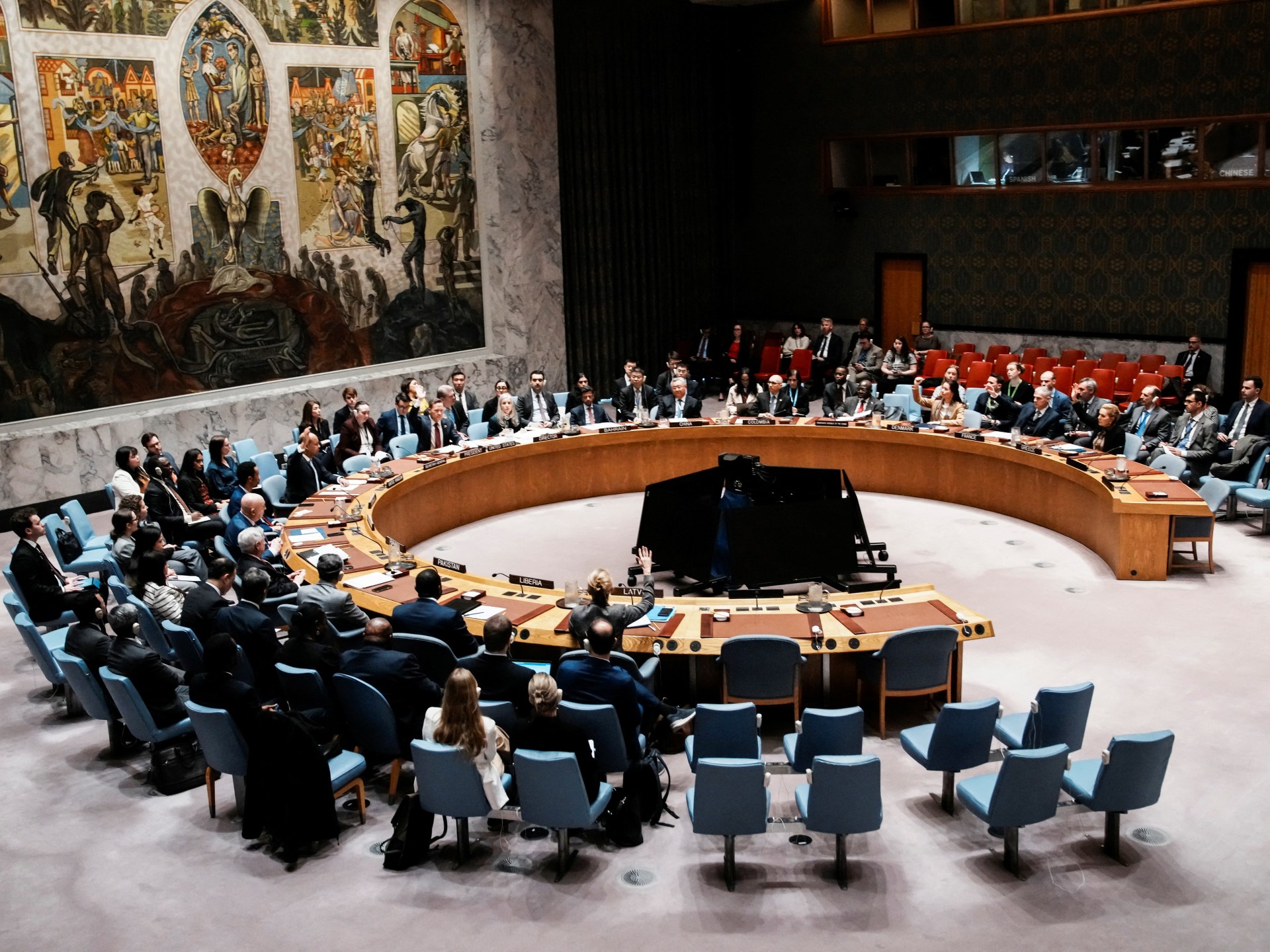
Speaking at the UN Security Council (UNSC) on Thursday, GCC Secretary-General Jassim al-Budaiwi urged the council to “take all necessary measures” to bring an end to Iran’s attacks on Gulf countries.
- list 1 of 3UK-led coalition of 40 countries vows action on Hormuz Strait closure
- list 2 of 3Video: GCC chief says Iran charging for ships to pass Strait of Hormuz
- list 3 of 3War on Iran: Washington’s history of making other nations pay for conflicts
end of list
The UNSC must “take all necessary means” to “protect maritime corridors and guarantee the uninterrupted maritime navigation through all strategic waterways” in the region, al-Budaiwi said.
He also stressed that the six GCC states – Saudi Arabia, Qatar, Bahrain, Oman, Kuwait and the United Arab Emirates – must be included in any talks or deals with Iran “to enhance regional security and prevent further escalation or the repetition of such attacks in the future”.
“The GCC reaffirms the urgent need to immediately halt these attacks; restore security, stability and calm in the region, and ensure the safety of air and maritime navigation, the safety of international supply chains, and the protection of global energy markets,” al-Budaiwi said.
Iran has carried out daily missile and drone attacks across the Middle East, including in Arab Gulf nations, since the United States and Israel launched a war against the country on February 28.
While Iranian officials have said they are acting in self-defence and striking US and Israeli-linked targets, the attacks have struck civilian sites across the Gulf, including several of the region’s critical energy facilities.
Advertisement
Iran also has effectively closed the Strait of Hormuz, a key Gulf waterway through which about one-fifth of the world’s oil and liquified natural gas supplies transit, sending global energy prices skyrocketing.
Reporting from the Emirati city of Dubai on Thursday evening, Al Jazeera’s Zein Basravi said frustrations are growing across the Gulf as the US-Israeli war on Iran drags on.
“The GCC countries were from day one – months before this war even began – trying to keep it from happening. But it was like trying to stop a slow-moving car crash. And effectively, that crash has happened in their front yard,” Basravi said.
He noted that 85 percent of the projectiles fired by Iran have targeted Gulf countries, with the UAE the hardest hit.
“Their primary threats are the retaliatory attacks by Iran,” Basravi said of the GCC. “And their primary focus is bringing that to an immediate close – and that means ending the conflict as soon as possible.”
Related News
Iran attacks cut 17% of Qatar’s LNG capacity for up to 5 years: QatarEnergy
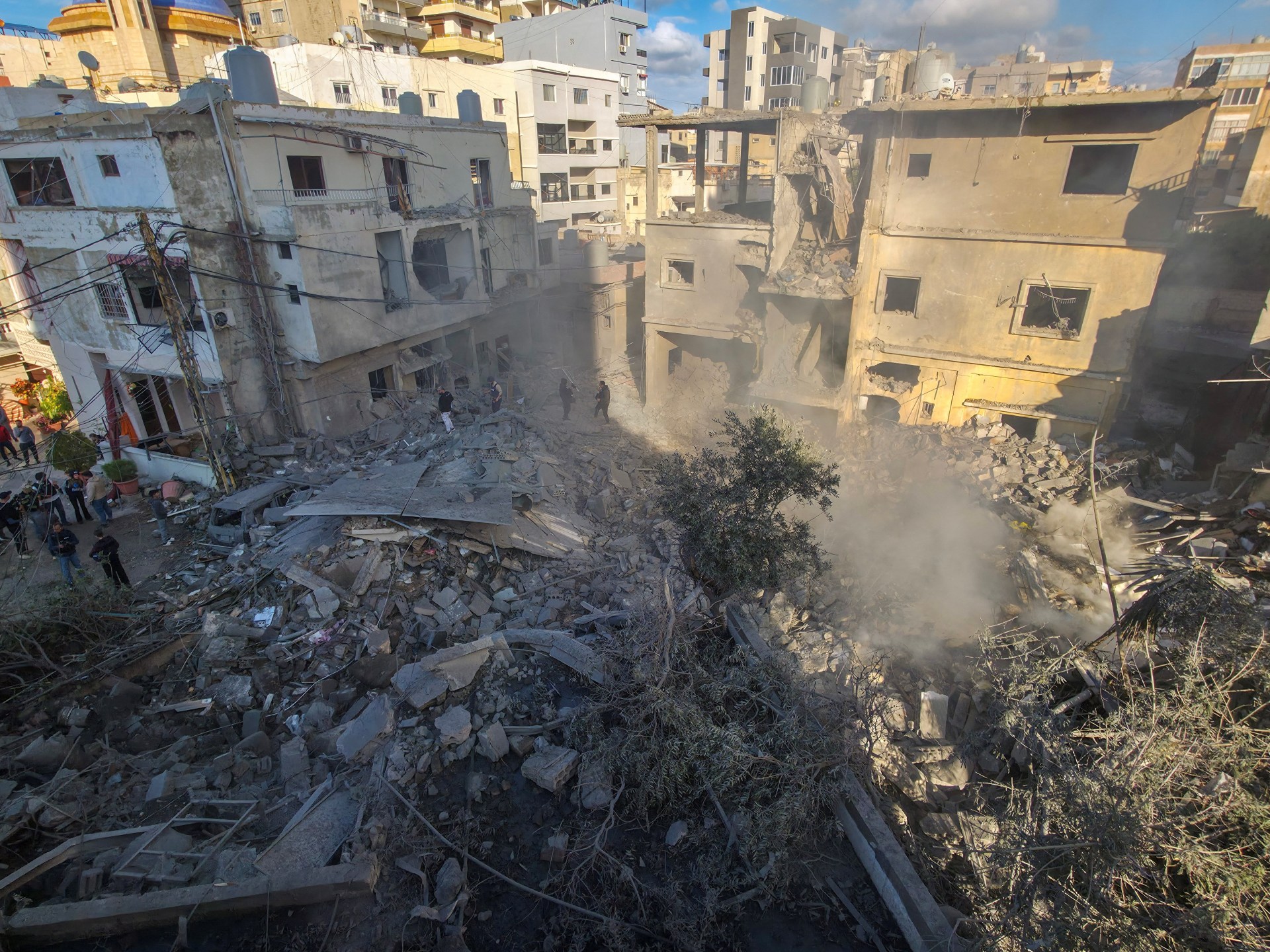
Spain’s PM says Israel to inflict on Lebanon same destruction as in Gaza

US Supreme Court rejects Colorado ban on LGBTQ child ‘conversion therapy’