
Beirut, Lebanon and Gaza City, Palestine – Along Beirut’s downtown waterfront, Alaa is looking for somewhere to rest his head.
The Syrian refugee, originally from the occupied Golan Heights, is now homeless. He explained that he had already spent the day wandering around the Lebanese capital trying to find shelter.
- list 1 of 3US approves $16.5bn arms deal to Gulf states amid rising Iran tensions
- list 2 of 3Iran’s strike on Qatar gas facility will reduce supply for 3 to 5 years
- list 3 of 3Who leads Iran? Assassinations leave leadership and command in question
end of list
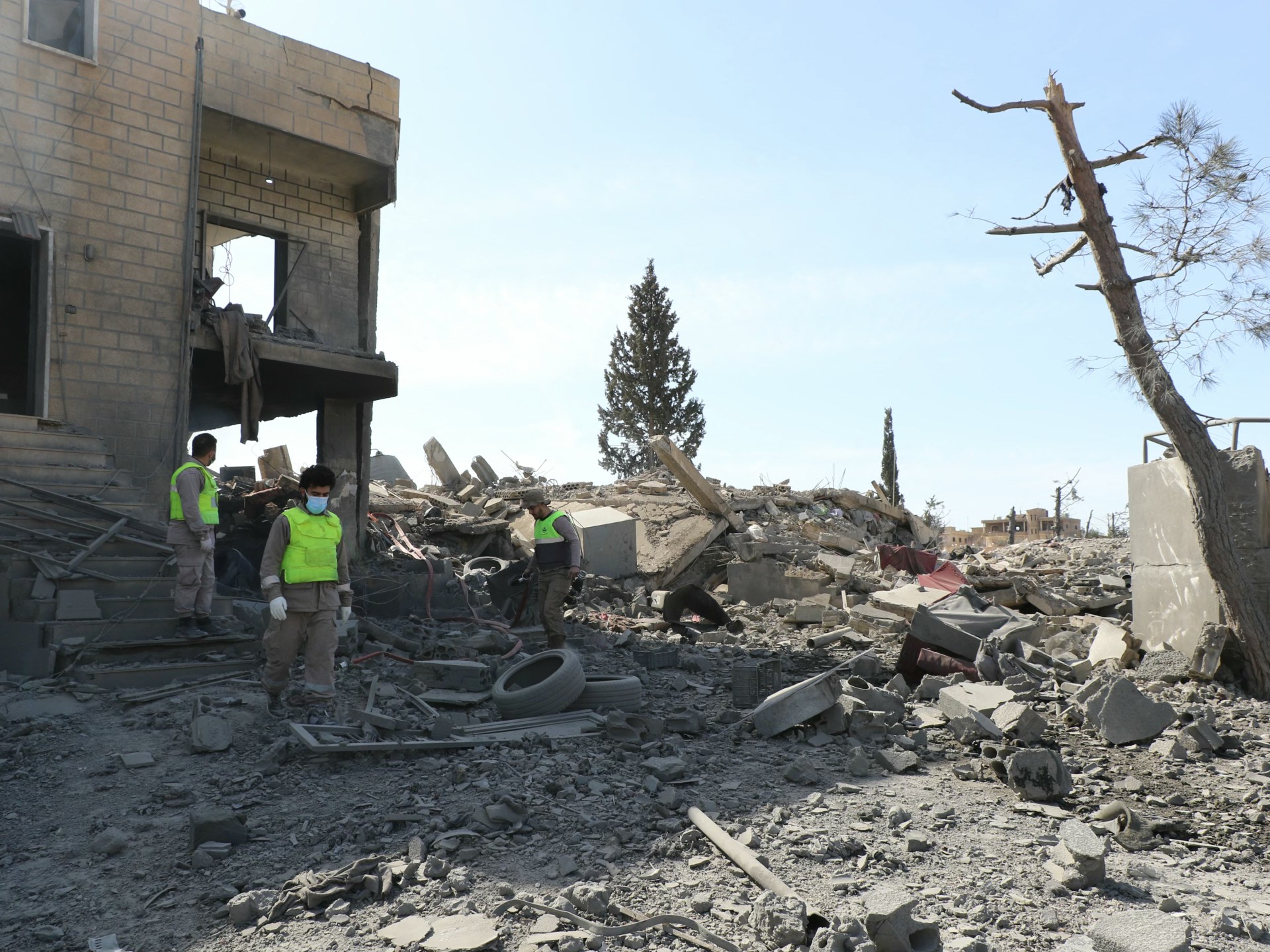
He used to live in Dahiyeh – the southern suburbs of Beirut that have been pummelled by Israeli attacks, which have now killed more than 1,000 across Lebanon.
Now, he’s just looking for somewhere he can be safe. And in that context, Eid al-Fitr, the Muslim festival that began on Friday, is far from his mind.
When asked if he had any plans for Eid, he replied in the negative. Instead, his focus was on getting a tent.
“I got rejected from staying in a school, then I went to sleep on the corniche,” Alaa said. “Then people from the municipality told me to come here to downtown Beirut’s waterfront.”
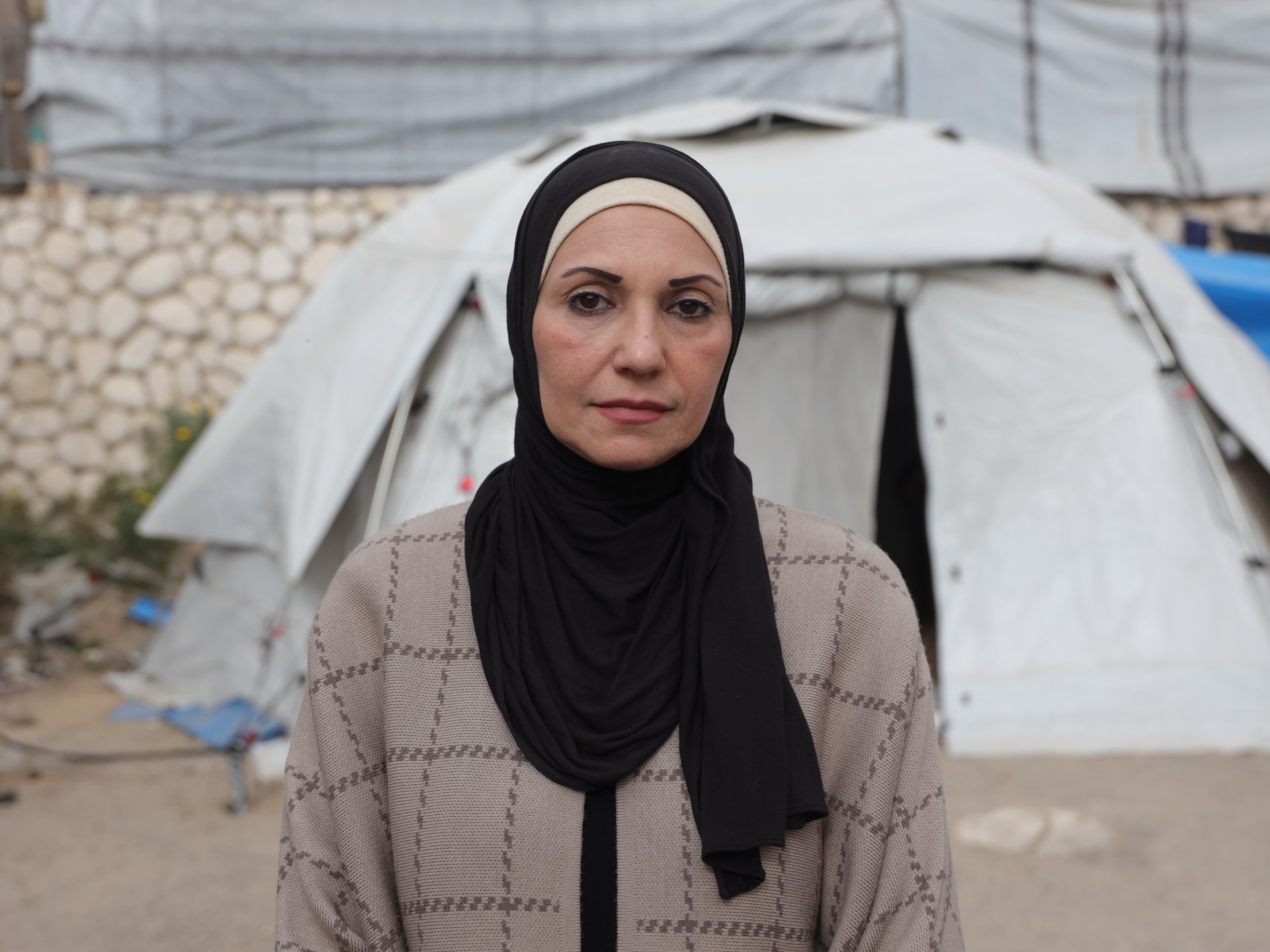
Alaa wasn’t able to find a tent and is sleeping in the open air for now. But others in the area have, transforming a downtown more famous for its expensive restaurants and bars into a tent city for those displaced by the fighting. Across Lebanon, more than a million people have been displaced.
Lebanese are uncertain when this war will end, particularly as they have barely recovered from the conflict with Israel that ran between October 2023 and November 2024.
It makes celebrations difficult – a common theme across the countries affected by the current conflict.
In Iran, now in its third week of US-Israeli attacks – with no sign of an immediate end and an economic crisis that preceded the conflict, people are struggling to afford any of the items typically bought during the holiday season.
Advertisement
And it is potentially dangerous for people to shop at places like Tehran’s grand bazaar, which has been damaged by the bombing.
The religious element of Eid adds an extra sensitivity for antigovernment Iranians, some of whom now see any sign of religiosity as support for the Islamic Republic. The fact that Nowruz – the Persian New Year – falls on Friday this year means that some in the antigovernment camp will be focused on that celebration instead, and eschewing any events to mark Eid.
Many Palestinians in Gaza want to celebrate Eid, but the enclave’s economic crisis, brought on by Israel’s genocidal war, makes it difficult.
Israeli restrictions on the entry of goods into Gaza, which have increased since the war against Iran started, have driven up prices further, including the cost of children’s toys.
Khaled Deeb, a 62-year-old living in a partially destroyed home in Gaza City, had ventured into the central Remal market, curious to see how expensive fruit and vegetables had gotten in the run-up to Eid.
“From the outside, the Eid atmosphere looks lively and vibrant,” Khaled said, pointing to the crowded market. “But financially, things are extremely bad. People have all left their homes and are now living in tents and displacement. Everyone has lost everything during the war.”
Khaled says he can’t afford the fruit and vegetables, and will have to go without. Only “kings” could buy them, he said, not “poor and exhausted people” like him.
What makes it worse is his memory of what things were like before the war, when he owned a supermarket.
“During Eid, I would give my daughters and sisters gifts of more than 3,000 shekels ($950) when visiting them, not to mention preparing the house, buying Eid clothes for my children, and sweets and chocolates to welcome the holiday,” Khaled said. None of that is going to happen this Eid, even with a ceasefire in Gaza.
His sentiment was echoed by Shireen Shreim, a mother of three.
“Our joy in Eid is incomplete,” she said, as she wandered through the market. “We have come out of two years of war with immense hardship, only to face a life where even the most basic necessities are unavailable.”
And with Israel showing few signs that it is willing to stop violently attacking Palestinians, as well as other countries in the region, Shireen has no idea when Gaza will ever be rebuilt.
“I live in an apartment with completely hollowed-out walls,” she explained. “My husband and I put up tarps and wood, and we are continuing our lives. We are much better off than others.”
Advertisement
“Every time I return home, I feel sad,” she added. “As you can see, people are living in nylon and cloth tents in the streets, without any humane shelter. How will these people celebrate Eid?”
Back in Beirut, Karim Safieddine, a political researcher and organiser, is stoic. He said he would be celebrating Eid with his extended family, despite the difficult circumstances.
“Although we have been displaced by the war, we believe that consolidating these family bonds and creating a sense of communal solidarity is the first and foremost condition to survive this war,” Karim said.
“Without solidarity, we won’t be able to build a society, a country,” he said. “I think that’s a starting point for many people attempting to really create a sense of forward-looking vision for a country under bombs, without any form of toxic positivity, of course.”
Related News
Israel holding more than half of Palestinian child detainees without charge
Death toll in Israel’s Lebanon attacks over 120 as Beirut, south, east hit
Hezbollah, Israeli troops clash on the ground in eastern Lebanon’s Bekaa