
Months of Ukrainian strikes on Russia’s oil infrastructure have led to widespread fuel rationing, with Russian President Vladimir Putin now unable to mask the war’s economic effects.
The Russian petrol shortages come amid other good news for Ukraine, which during the past week garnered 4 billion euros ($4.6bn) in new military aid commitments from its allies for anti-ballistic interceptors, long-range artillery and unmanned systems.
- list 1 of 4UK’s Starmer says Russian warship’s warning shots in Channel ‘reckless’
- list 2 of 4Will Ukraine become an EU member?
- list 3 of 4Ukraine hits Moscow refinery as Zelenskyy seeks Trump support to end war
- list 4 of 4Ukraine urges EU to pressure Russia to end war before winter
end of list
Ukrainian Defence Minister Mykhailo Fedorov said Ukraine and Germany also signed an agreement to develop a European anti-ballistic interceptor missile – a longstanding desire of Ukrainian President Volodymyr Zelenskyy.
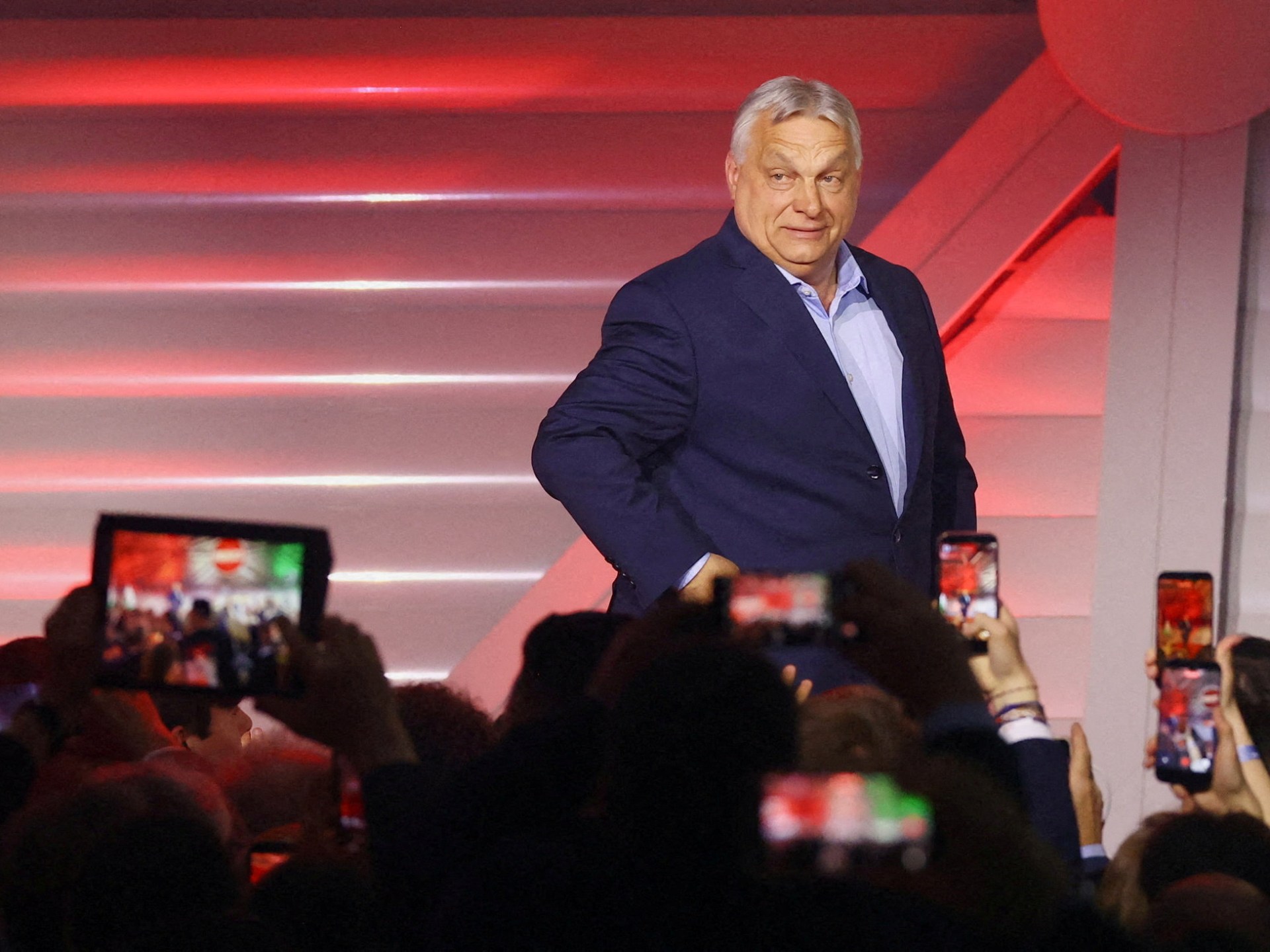
The European Union, too, released 6 billion euros ($6.9bn) in military aid from its European Peace Facility and started talks that are expected to lead to Ukraine’s membership. Both developments had long been delayed by Hungarian premier Viktor Orban, who lost power in April.

After opening the first of six negotiation clusters with Brussels to join the EU, Zelenskyy urged the EU Intergovernmental Conference to move faster and open the remaining five simultaneously.
“Ukraine has earned the right to move faster … We are ready to open all clusters. We have done our work. Everyone in Europe knows this,” he said.
Rationing in Russia
Russian independent news outlet The Bell reported rationing in 53 Russian regions and in occupied Ukraine on Wednesday.
That rationing had reached the principal urban centres of Moscow and Saint Petersburg, where the Tatneft chain of petrol stations on Monday began limiting customers to 20 litres of petrol (5.3 gallons) and 40 litres of diesel at a time “for technical reasons”.
Advertisement
Other petrol chains, including Rosneft, placed upper limits of 90 litres per sale.

Rosneft and Bashneft, the state oil company of the Republic of Bashkortostan, on Tuesday reportedly banned sales of petrol in canisters due to “increased seasonal demand”.
These reports came after unusually low oil production during May.
The International Energy Agency reported that Russia produced 8.74 million barrels per day of oil last month, versus 8.96 million bpd in April, approximately 100,000 barrels below target.
Russian oil producers have in the past few weeks announced production cuts following damage to infrastructure caused by Ukrainian strikes.
Russia was reacting to the shortages by allowing some refineries to circulate under-refined petrol with a higher sulphur content, Russian business newspaper Kommersant reported.
Reuters reported that Russia also planned to increase imports of refined petroleum products from Asia.
Ukraine’s war on the Russian budget
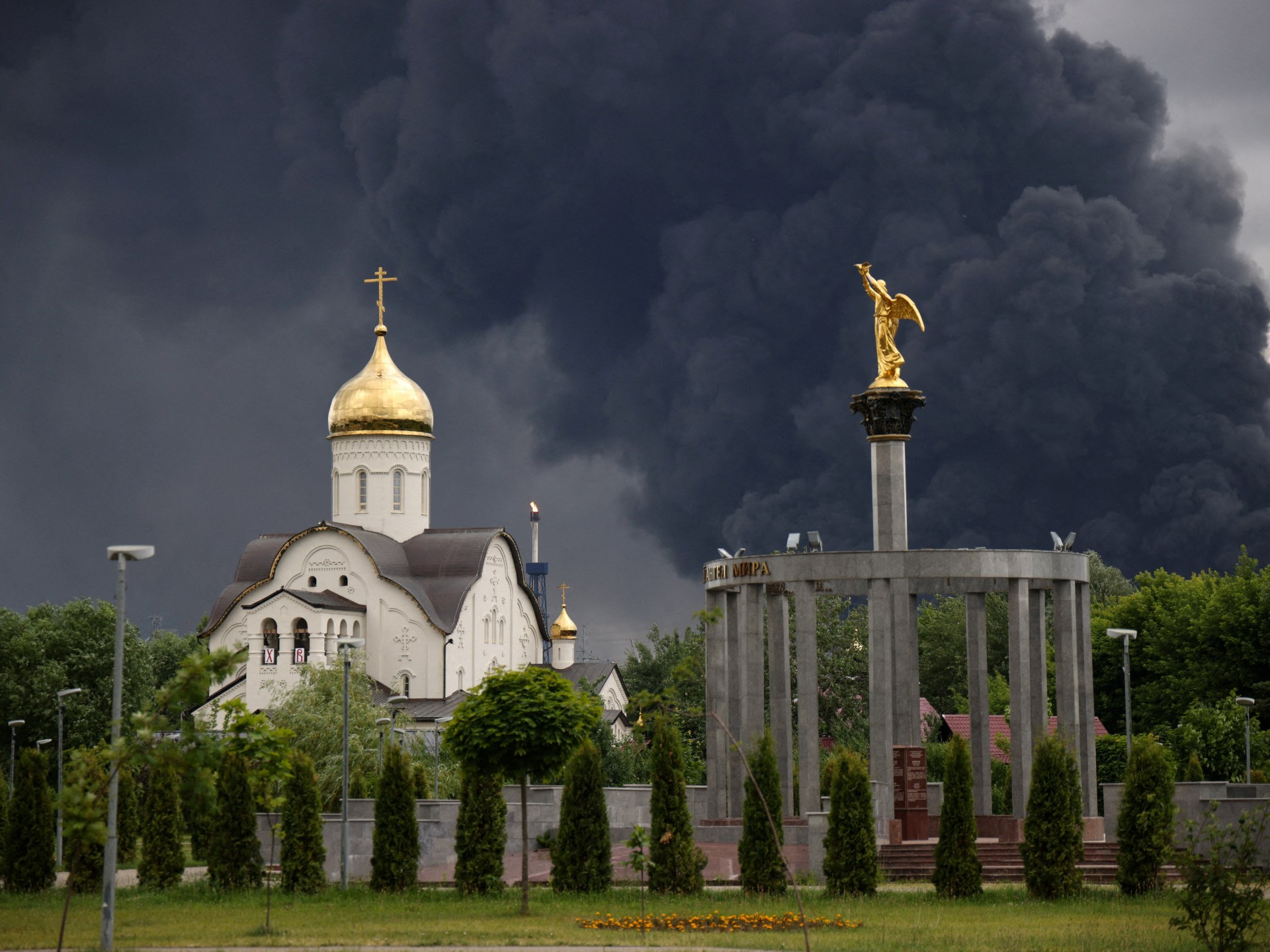
Kyiv gave its strikes added political import by striking the Moscow Oil Refinery twice during the week, on Tuesday and Thursday, sending black clouds of smoke into the Moscow skyline that residents reported caused “oil rain” and covered surfaces in black soot.
“The company’s products account for over 38 percent of the capital region’s fuel consumption, including supplying aviation fuel to Domodedovo, Vnukovo, Sheremetyevo, and Zhukovsky airports,” said the General Staff of the Armed Forces of Ukraine.
Ukraine’s General Staff said one of the refinery’s primary processing units was damaged in the first strike, while the second caused five simultaneous fires, reportedly damaging a combined processing unit, a secondary processing unit and a tank farm.

The refinery was forced to halt operations. The pollution caused six airports around Moscow to shut down, cancelling flights.
Days earlier, Putin had promised Russians that Ukrainian long-range strikes would be contained.
“We will increase our strikes on the enemy’s infrastructure in such a way as to discourage them from attacking our civilian objects,” he had told a news conference.
Ukraine did not say what means it used to strike the refinery in Moscow, which is one of Russia’s best-defended areas from aerial threats. Russia’s defence ministry said later on Thursday that it had downed 992 drones and four missiles over a 24-hour period.
In the past week, Ukraine also struck the TANEKO refinery in the Republic of Tatarstan, one of Russia’s largest, which produces aviation fuel for the armed forces, and numerous tank farms, pumping stations and oil terminals.
Advertisement
As part of a campaign against weapons manufacturers, Ukraine on June 12 struck the Tolyattikauchuk chemical plant, which manufactures synthetic rubber used in solid rocket and missile fuel.
Putin made a rare concession that Ukraine was succeeding in causing economic pain.
“The blows of the Armed Forces of Ukraine damage the Russian economy … The enemy is increasing the use of aircraft-type UAVs in order to split Russian society and cause economic damage,” Putin said. “But everything is quickly recovering,” he added.
“We understand that Putin is rarely provided with completely truthful information without embellishment,” said Zelenskyy.
Not everyone in Moscow agreed with Putin.
“We continue to face new prohibitions, restrictions and a growing financial burden,” wrote Duma (lower house) member Vyacheslav Markhaev on June 11.
He associated the ineffectiveness of economic reforms that “remain on paper” with the ineffectiveness of Russia’s war in Ukraine. “Attacks on our cities do not stop, their geography is expanding.”

Russian officials have pointed out the financial strain of the war since the summer of 2025, leading to promises from the Kremlin to lower military expenditure in 2026.
The opposite appears to be happening, however. Russia is increasing its defence budget despite falling tax revenues, said Janis Kluge, an economist and Russia expert at the German Institute for International and Security Affairs.
Russian finance ministry data suggested that defence spending was up 30 percent in the first quarter, compared with the same period last year, Kluge said.
Although defence spending was meant to fall from 7.8 percent of gross domestic product (GDP) last year to 6.2 percent this year, it was on track to reach 10 percent, he found.
Falling government income meant that military spending has reached two-thirds of budget revenues, Kluge said.
Russia’s financial situation could further worsen after US President Donald Trump signed a ceasefire with Iran this week. The United States Treasury had waived sanctions on Russian oil to relieve pressure on global prices after the US-Israeli war on Iran began on February 28. The latest waiver was not renewed after expiring on June 17, however.
Related News
UN watchdog, Western nations call on Iran to restart nuclear cooperation
Cuba’s Communist Party approves opening economy in unprecedented move
Protests erupt in Kenya over US Ebola quarantine centre in Nanyuki